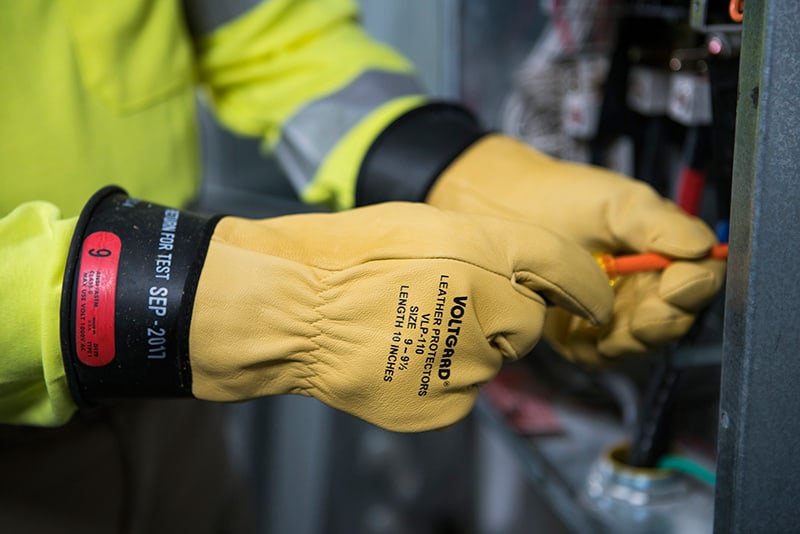
What a construction worker wears to the job site is not a fashion decision — it is a safety decision. The right workwear protects against abrasion, cuts, UV exposure, cold, heat stress, and in some trades, arc flash and flame. The wrong workwear creates genuine hazards: a cotton thermal base layer that soaks through in the cold can cause cold stress; a polyester shirt near energised electrical equipment can melt onto skin in an arc flash; ill-fitting gloves reduce dexterity and increase tool drop risk. The best work clothes for construction workers do two things simultaneously — they protect against the physical hazards of the job, and they keep the worker functional and comfortable through an 8–12 hour shift.
This guide covers the complete construction workwear kit from head to toe: work pants, work shirts, base layers, outerwear, work gloves, work socks, women’s-specific picks, seasonal guides for summer and winter, FR clothing for electricians and welders, and a trade-specific section covering what framers, electricians, concrete workers, roofers, and site supervisors actually need. Every garment category includes specific Amazon product recommendations across budget and premium tiers, with honest buying guidance that no competing guide provides.
Quick navigation: Work Pants | Work Shirts | Base Layers | Outerwear | Gloves | Socks | Women’s | Summer Guide | Winter Guide | FR Clothing | Boots | By Trade

What to Look for in Construction Work Clothes
Before covering specific products, understanding what separates construction-grade workwear from standard clothing makes every buying decision easier. These are the factors that determine whether a garment lasts three years or three months.
Fabric Weight and Construction
Fabric weight is measured in ounces per square yard. For construction work pants, 12–13 oz heavyweight cotton duck provides maximum abrasion resistance for framing, demolition, and heavy materials handling. For work shirts and active trades, 6–8 oz midweight ripstop cotton provides adequate durability with better mobility and lower heat retention. Moisture-wicking polyester-cotton blends are correct for hot-weather environments. One critical rule: never wear polyester or poly-cotton blend clothing near welding or energised electrical equipment. These synthetics melt onto skin in arc flash and fire conditions — 100% cotton or FR-rated fabric is the only appropriate choice in those environments.
Seam Construction
The difference between a garment that lasts six months and one that lasts three years is usually visible in the seams. Look for triple-stitched main seams, bar-tacking at all stress points (pocket corners, belt loops, crotch), and a reinforced back yoke. Carhartt and Dickies both publish their seam specifications — budget brands rarely do, because the seams don’t meet the same standards.
Fit and Mobility
Construction work involves squatting, climbing, bending, and reaching overhead — often repeatedly for hours. A gusseted crotch in work pants provides the range of motion for squatting and climbing without seam stress. Articulated knees reduce fabric tension when kneeling. Raglan shoulders in work shirts allow overhead arm movement without the shirt pulling up. The fit should be neither too loose (snag hazard near machinery) nor too tight (restricts movement and causes fatigue).
Pocket Utility
Pocket design is a functional safety consideration, not just convenience. A hammer loop and rule pocket are essential for carpenters. Large cargo pockets for materials and phone are necessary for most trades. Knee pad openings in work pants allow proper under-pants knee pad installation that stays in place during movement. Internal phone pockets accessible while wearing gloves matter for site supervisors and engineers who use tablets on site.
OSHA Clothing Requirements
OSHA does not mandate specific fabric or brand requirements for general construction clothing beyond PPE — but employers can set site-specific requirements. Key OSHA standards relevant to workwear: ASTM F2413-rated safety-toe footwear is required on most construction sites; hi-vis clothing is required on Federal-aid highway projects (Class 2 minimum); FR clothing is required where an employer’s hazard assessment identifies arc flash or fire exposure. Failure to comply with site-specific PPE requirements is a citable OSHA violation.
Best Work Pants for Construction Workers
Work pants are the most important single purchase in a construction worker’s wardrobe. (Pair them with the right rig: see our best tool belts guide.) They take more abuse than any other garment — contact with rough materials, concrete, grease, sharp edges, and daily kneeling. Buying quality work pants and replacing them less frequently is more economical than buying cheap pants repeatedly. At minimum, own two pairs so one is always clean and ready.
Best Overall Work Pants — Carhartt B01 Double Front Duck Work Pants
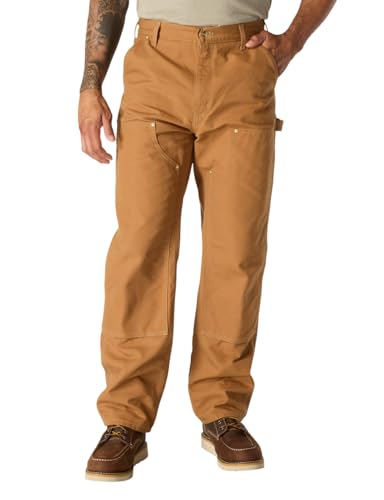
The Carhartt B01 is the benchmark construction work pant — the garment that all competitors are measured against. The double-front construction adds a second layer of heavyweight 12-oz cotton duck canvas across the knee and thigh, providing genuine abrasion resistance for the areas that contact rough surfaces most frequently. The built-in knee pad openings allow proper under-pants knee pad installation that stays positioned correctly through movement, unlike over-pants knee pads that slip during squatting and climbing.

- Fabric: 12-oz cotton duck — the heaviest weight appropriate for residential and commercial construction
- Seam construction: Triple-stitched main seams, double-stitched elsewhere, bar-tacked at all stress points
- Pockets: Hammer loop, rule pocket, 2 front pockets, 2 back pockets
- Knee pad openings: Yes — accepts standard construction knee pads
- Best for: Framers, carpenters, concrete workers, heavy-duty construction trades
Best Value Work Pants — Dickies 874 Work Pants

The Dickies 874 is the most widely worn work pant in North America — and for good reason. At a price well below the Carhartt B01, it delivers professional durability appropriate for moderate-duty construction, uniform environments, and site supervisors who are on site but not doing heavy manual work. The 874 is a cleaner, less bulky cut than the Carhartt B01 — better for office-to-site transitions and for trades where a more streamlined profile is preferred.

- Fabric: 65% polyester / 35% cotton twill — lighter weight, less rugged than duck canvas
- Best for: Site supervisors, light-to-moderate duty trades, uniform environments, budget purchasing
- Honest limitation: Not appropriate for heavy framing, demolition, or regular kneeling on rough surfaces — the single-front construction wears through faster than the Carhartt B01 double front
Best Flex/Stretch Work Pants — Carhartt Rugged Flex Work Pants
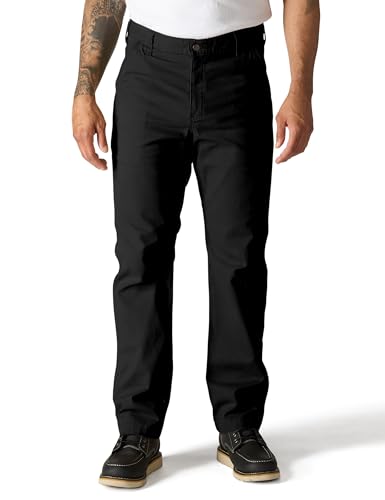
The Carhartt Rugged Flex line adds mechanical stretch to the traditional Carhartt work pant construction — allowing full squatting, climbing, and overhead-reach range of motion without the fabric tension that limits movement in standard duck canvas. For electricians, HVAC technicians, and any trade requiring work in tight spaces or frequent position changes, the Rugged Flex is the correct choice over the standard B01.

- Stretch: Mechanical stretch in the fabric — not just the cut; genuine flexibility through the full range of motion
- Best for: Electricians, HVAC, plumbers, any trade requiring tight-space mobility
- Trade-off: Less abrasion resistance than the standard B01 duck canvas — not the right choice for demolition or heavy framing
Best Work Shirts for Construction Workers
A construction work shirt needs to allow full range of arm and shoulder movement while surviving daily contact with rough materials, dust, sweat, and UV exposure. The right fabric depends on the season and the trade — a flannel that works perfectly for autumn framing is dangerously wrong for an electrician near energised equipment.
Best Moisture-Wicking Work T-Shirt — Carhartt Force Moisture-Wicking T-Shirt
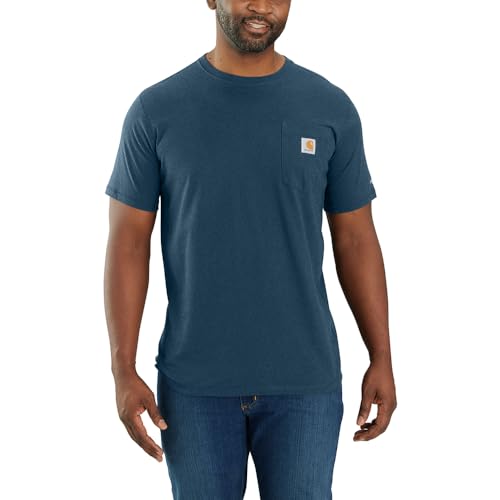
The Carhartt Force line uses FastDry technology to wick moisture away from skin and move it to the outer fabric surface for evaporation — the correct mechanism for managing sweat during physically demanding outdoor work. In hot weather, a moisture-wicking base layer shirt worn as the primary shirt keeps body temperature lower than a cotton t-shirt that absorbs and retains sweat against the skin.

- Technology: FastDry moisture wicking + odour-fighting finish
- Best for: Summer primary shirt, hot-weather work, under hi-vis vest
- Note: Long-sleeve version recommended for outdoor work — provides UV protection without restricting movement
Best Long-Sleeve Work Shirt — Carhartt Rugged Flex Rigby Long-Sleeve Shirt
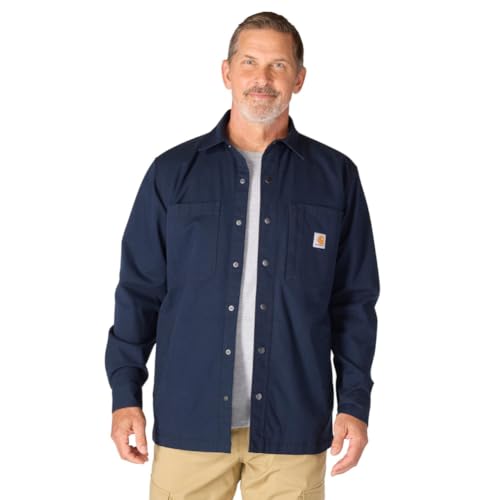
The Carhartt Rugged Flex Rigby is the year-round long-sleeve work shirt for construction — lightweight enough for warmer seasons, durable enough for daily site contact, and with the Rugged Flex stretch for full shoulder and arm range of motion. Two chest pockets with secure button closure keep phone and pen accessible without risk of losing them during physical work. Raglan shoulder construction prevents the shirt from pulling up during overhead movements.

- Stretch: Rugged Flex mechanical stretch — full arm mobility
- Pockets: Two button-close chest pockets
- Best for: Year-round daily wear, layering over base layer, trades requiring arm mobility
Best Work Flannel Shirt — Carhartt Rugged Flex Hamilton Flannel Shirt
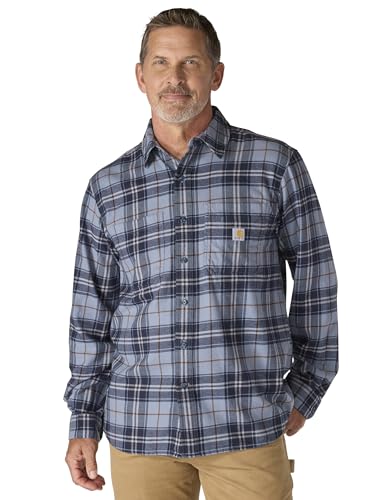
A quality work flannel is the most versatile garment in a construction worker’s wardrobe for autumn and mild winter conditions — worn open over a moisture-wicking t-shirt as a light outer layer, or buttoned over a base layer as a mid-layer under a work jacket. The Carhartt Hamilton combines the Rugged Flex stretch with heavyweight flannel construction — warmer and more durable than standard flannels, while remaining genuinely flexible for site work.

- Best for: Autumn primary shirt, mild-winter mid-layer, framers and carpenters in cool conditions
- Versatility: Works as outer layer in cool weather, mid-layer in cold weather
Best FR Work Shirt — FR-Rated 100% Cotton Work Shirt

Critical safety note for electricians and welders: Polyester and poly-cotton blend shirts are not safe for work near energised electrical equipment or open flame. In an arc flash event, these synthetics melt onto skin — causing severe burns that compound the arc blast injury. This is not a preference; it is a life-safety issue. Any worker whose hazard assessment identifies arc flash or flame exposure must wear either 100% cotton (which chars rather than melts, limiting skin contact) or properly rated FR fabric. The FR shirt linked here is rated for electrical work and flame exposure — verify the cal/cm² arc rating matches the arc flash hazard level at your specific work location.
- Required for: Electricians near energised conductors, welders, utility workers, pipeline workers
- Never substitute: Do not assume a cotton-blend shirt is safe — check the label for 100% cotton or FR certification
- FR care requirement: Wash per manufacturer instructions only — no bleach, no fabric softener, no optical brighteners; these degrade FR treatment
Best Base Layers for Construction Workers — The Category Most Workers Get Wrong
The majority of construction workers either skip base layers entirely or wear cotton thermal underwear from the hardware store discount bin. Both approaches are wrong, and in cold weather, the cotton thermal option is actively dangerous. Here is how base layers actually work for outdoor construction, and which products to choose.
The base layer’s job is moisture management — not insulation. It pulls sweat away from skin during physical exertion and moves it outward to evaporate, keeping your skin dry. A wet base layer against skin in cold temperatures dramatically accelerates heat loss through the mechanism of evaporative cooling. Cotton performs the opposite function — it absorbs sweat and holds it against the skin, keeping you wet. “Cotton kills” is the outdoor safety community’s phrase for this principle, and it is entirely accurate for workers doing physical outdoor work in cold conditions.
Best Summer Base Layer — Moisture-Wicking Synthetic Base Layer
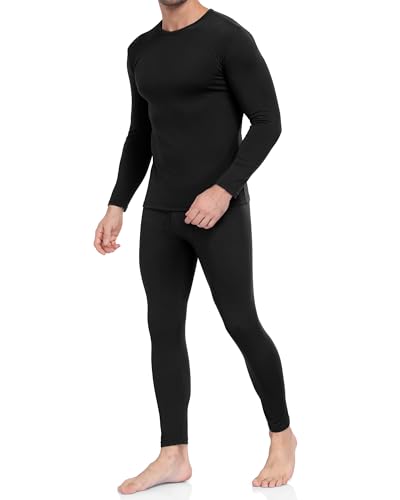
In summer, a lightweight moisture-wicking synthetic base layer worn under work pants and work shirts prevents heat rash, reduces chafing from rough fabric waistbands and seams, and keeps sweat off the skin surface during high-exertion work. Polyester and polyester-nylon blends excel in this application — fast-drying, lightweight, and effective at moving moisture outward.
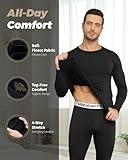
- Material: Moisture-wicking synthetic — polyester or nylon blend
- Best for: Under work pants in summer; hot-weather construction; trades with high exertion levels
- Do not use: Cotton undershirts or cotton thermal in this role — they absorb sweat and stay wet
Best Winter Base Layer — Smartwool Classic Thermal Merino 1/4 Zip

Merino wool is the professional recommendation for winter construction base layers, and the Smartwool Classic Thermal is one of the most tested and validated options available. Merino wool manages moisture while providing genuine insulation — uniquely, it continues to insulate even when damp, which is critical for construction workers who sweat through physically demanding work then take breaks in cold air. It is also naturally odour-resistant, which matters when wearing the same base layer through a full work week.

- Why merino beats cotton thermal: Merino is warm when wet; cotton thermal is not. Merino wicks moisture; cotton absorbs it. Merino is odour-resistant; cotton retains odour after one day of hard work.
- The 1/4 zip design allows temperature regulation without removing the base layer — zip down during high-exertion periods, zip up during breaks and static work
- Care: Cold wash, air dry or low heat — high heat damages merino wool fibres
Best Mid-Layer for Cold Weather — Columbia Steens Mountain Vest
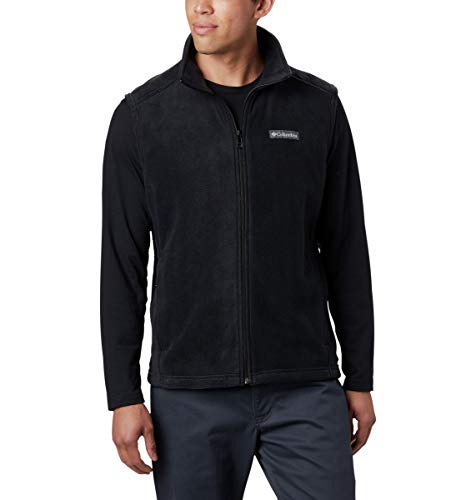
The mid-layer sits between the moisture-wicking base layer and the wind/water-resistant outer layer. Its job is insulation — trapping body heat without adding moisture. A vest mid-layer is particularly well-suited to construction because it provides core warmth while leaving the arms fully free for movement, tool use, and overhead work. The Columbia Steens Mountain Vest uses 220g fleece — genuinely warm for its weight, packable into a pocket during high-exertion periods, and comfortable under a work jacket without adding bulk that restricts movement.

- Role in the layering system: Base layer (moisture management) + vest mid-layer (insulation) + outer jacket (wind/water protection) = the correct three-layer system for cold outdoor construction
- Vest vs. jacket mid-layer: Vest allows full arm movement for overhead work; insulated jacket mid-layer provides more warmth for static work (site management, inspections)
Best Work Jackets and Outerwear for Construction Workers
Construction outerwear needs to survive nail-gun bounces, sawdust, concrete splash, and rough surface abrasion while keeping the worker functional. Most construction workers go through a jacket per season — the difference is whether that jacket provides adequate protection during its lifespan and whether it is the right tool for the specific conditions.
Safety note: Never wear loose, floppy outerwear near rotating equipment, power saws, or machinery. Proper fit with secure cuffs is a safety requirement — clothing that can catch on rotating equipment creates entanglement hazards.
Best Insulated Work Jacket — Carhartt Duck Active Jacket
The Carhartt Duck Active Jacket is the traditional construction jacket — heavyweight 12-oz duck canvas outer shell with quilted flannel lining. It provides the abrasion resistance of heavy duck canvas for surface contact durability, with enough insulation for cold-weather work without requiring a separate insulated layer underneath in temperatures above about 20°F. The cut allows movement for site work without excess bulk.

- Shell: 12-oz cotton duck — same fabric as the B01 work pants
- Lining: Quilted flannel — warm, not bulky
- Best for: Framers, carpenters, general construction in cold weather; heavy-duty contact with rough surfaces
Best Lightweight Work Jacket — Carhartt Rugged Flex Relaxed Fit Jacket
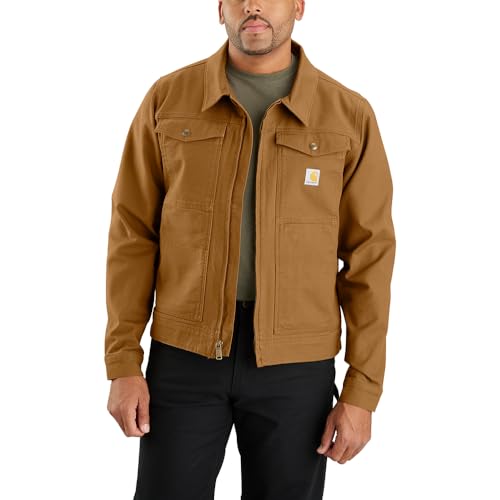
For mild weather or as an outer layer over a fleece mid-layer in cool conditions, the Carhartt Rugged Flex jacket provides construction-grade outer protection with the Rugged Flex stretch for full mobility. Less insulated than the Duck Active, it is the better choice for active trades (electrical, HVAC, plumbing) who generate body heat through movement and need the outer layer primarily for wind and light rain protection rather than warmth.

- Best for: Electricians, HVAC, plumbers; mild cold weather; layering over mid-layer in colder conditions
- Stretch: Rugged Flex mechanical stretch — full range of motion for overhead work
Best Rain Jacket for Construction — Helly Hansen Gale Waterproof Rain Jacket

For concrete work, roofing, framing in rain, and any outdoor construction in wet conditions, a waterproof outer layer is necessary equipment. The Helly Hansen Gale is fully waterproof with sealed seams — not merely water-resistant — and designed for sustained outdoor work in rain rather than light-shower protection. It remains breathable enough for active work without trapping the moisture that standard waterproofed workwear often creates inside the jacket.

- Construction: Fully waterproof sealed seams — not DWR-treated only
- Best for: Concrete workers, roofers, outdoor framing in rain, any sustained wet-weather construction
- Note: If hi-vis is required at your site, a Class 3 hi-vis rain jacket may be required over this or instead of it — check site requirements
Best Softshell Work Jacket — TACVASEN Men’s Tactical Softshell Jacket

A softshell jacket sits between a fleece mid-layer and a full waterproof outer jacket — polyester softshell with wind resistance and light water resistance provides the warmth of a fleece with better protection against wind and light rain. The better mobility compared to duck canvas makes this the right choice for electricians, HVAC technicians, and active trades in cool but not cold conditions where the duck active jacket is too restrictive for tight-space work.

- Best for: Electricians, HVAC, cool weather, trades requiring full arm mobility in cooler conditions
- Wind resistance: Significant wind blocking — not fully waterproof; adds a rain layer in wet conditions
Best Work Vest — Wrangler Riggs Workwear Duck Work Vest

An insulated or duck canvas vest provides core warmth while leaving the arms completely free for overhead work, tool use, and tight-space tasks. Construction workers — particularly electricians and carpenters — frequently reach their arms above the shoulder level, which is significantly easier in a vest than in a sleeved jacket. The Wrangler Riggs duck vest provides Carhartt-comparable canvas construction with ample pocket space for site use.

- Best for: Core warmth during overhead work, electricians, carpenters, mid-layer in cold conditions
- Advantage over jacket: Full arm range of motion for overhead work, less bulk in tight spaces
Best Work Gloves for Construction Workers
Work gloves are the most commonly mis-selected PPE item in construction. Workers often choose either too thin (inadequate protection) or too thick (lose dexterity for fastening, measuring, and tool control). The right glove depends on the specific task hazard level — and the ANSI/ISEA cut level rating system provides an objective standard for matching glove protection to task requirements.
ANSI/ISEA Cut Level Guide: A1–A2 = light assembly, general purpose work with minimal cut risk. A3–A4 = construction general duty — the minimum appropriate for most site work. A5–A6 = heavy materials handling, demolition, sharp-edge contact. A7–A9 = extreme cut hazard — glass handling, metal fabrication. For most construction work, A4 is the correct minimum specification.
Best General Construction Gloves — Mechanix Wear Original Gloves
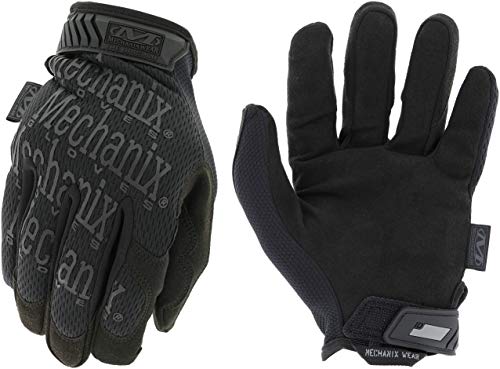
The Mechanix Wear Original is the benchmark general-purpose construction glove — synthetic leather palm for dexterity and grip, knuckle protection, and a fit that allows full tool operation including fastening small screws and operating power tool triggers. These are the gloves that electricians, carpenters, and general construction workers reach for as their daily-use glove because they provide genuine hand protection without reducing the dexterity needed for precision work.

- Palm: Synthetic leather — grip and abrasion resistance without losing feel
- Knuckle protection: Thermoplastic rubber — impact protection for fastening and material handling
- Best for: Electricians, carpenters, HVAC, general site work requiring dexterity
- Cut level: A2 — correct for general construction; upgrade to A4+ for demolition
Best Heavy-Duty Construction Gloves — Wells Lamont Heavy Duty Leather Palm Hybrid Gloves
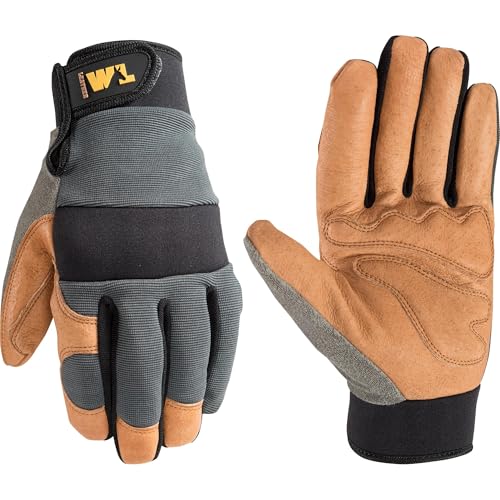
For concrete work, demolition, heavy materials handling, and any task involving sustained contact with rough or abrasive surfaces, the Wells Lamont leather palm hybrid provides significantly more protection than a synthetic-only general glove. The padded leather palm absorbs impact and resists abrasion through direct surface contact, while the spandex back maintains enough flexibility for tool grip.

- Palm: Genuine leather — maximum abrasion resistance and impact absorption
- Best for: Concrete workers, demolition, material handling, heavy framing
- Trade-off: Less dexterity than synthetic gloves — correct for heavy-duty tasks, not precision work
Best Touchscreen-Compatible Gloves — HANDLANDY Work Gloves with Touchscreen
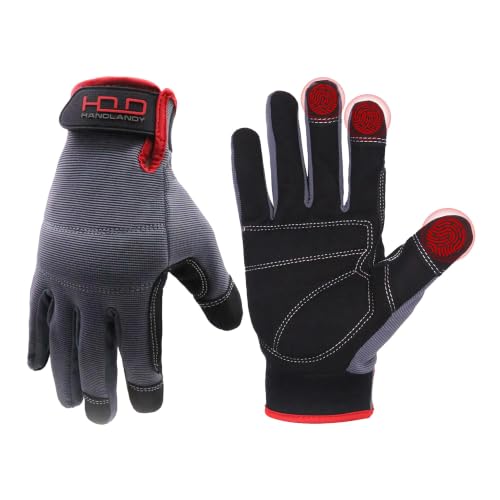
Site supervisors, engineers, project managers, and any construction worker who uses a tablet, phone, or touchscreen device on site faces a practical problem: removing gloves repeatedly to operate a device creates unnecessary hand exposure and slows workflow. Touchscreen-compatible gloves with conductive fingertips solve this problem — the HANDLANDY provides construction-grade palm protection with fingertips that work on capacitive touchscreens without glove removal.

- Touchscreen: Conductive fingertips — works on phone and tablet without removing gloves
- Best for: Site supervisors, engineers, inspectors, project managers on active construction sites
Best Cold-Weather Work Gloves — Wells Lamont FX3 Insulated Synthetic Leather Winter Work Gloves
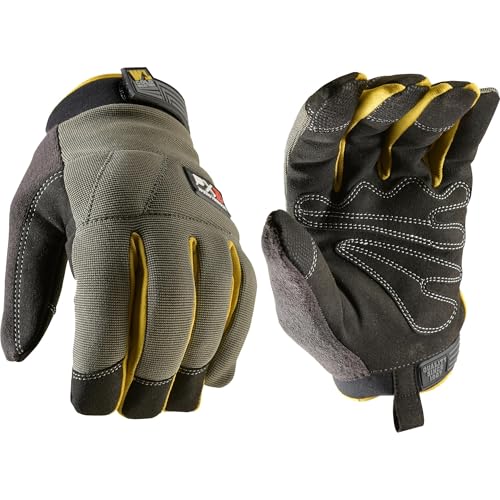
In cold weather, the tension between warmth and dexterity is the central challenge of glove selection. Thick insulated gloves provide warmth but restrict the finger movement needed for tool operation, fastening, and precision work. The Wells Lamont FX3 insulated gloves provide genuine cold-weather warmth — appropriate for temperatures well below freezing — while maintaining enough flexibility for construction work tasks. For very precise work in cold conditions, thin liner gloves under a heavier glove allow the thicker outer glove to be removed for precision tasks while retaining warmth through the liner.

- Insulation: Synthetic — maintains insulation properties when wet, unlike down
- Best for: Winter construction, outdoor work below freezing, materials handling in cold
- Tip: Size up slightly — insulated gloves over liner gloves require extra finger room to maintain dexterity
Best Work Socks for Construction Workers
Work socks are the most under-considered item in a construction worker’s clothing budget — and one of the highest-impact ones. A $12 pair of merino wool work socks prevents the blisters, hotspots, and foot fatigue that reduce productivity over a 10-hour shift far more effectively than premium boots alone. The material choice in work socks matters as much as the material choice in base layers: cotton socks absorb sweat, lose cushioning, and blister faster; merino wool and technical blends regulate temperature and manage moisture.
Best All-Day Work Socks — Carhartt Men’s Heavyweight Crew Sock 4-Pack

The Carhartt heavyweight crew provides the cushioning and durability for daily construction use — over-the-calf height prevents the boot collar from contacting skin directly, and the reinforced heel and toe extend the useful life through the repeated boot-on-boot-off cycles of a full work week. The 4-pack pricing makes replacing worn socks economical without compromising on the cushioning level that matters for foot fatigue.

- Height: Crew — sufficient for most standard work boots
- Cushioning: Heavyweight — appropriate for daily construction use
- Best for: All-year daily construction use, general site work
Best Summer Work Socks — BAMBOO COOL Men’s Crew Socks

In hot weather, the priority in work socks shifts from insulation to moisture management and breathability. Bamboo viscose fibre is highly breathable, naturally moisture-wicking, and significantly cooler against skin than cotton — preventing the sweat buildup inside hot-weather work boots that causes blisters and heat rash. These are lighter weight than the Carhartt heavyweight — correct for summer; insufficient cushioning for winter in boots.

- Material: Bamboo viscose — breathable, moisture-wicking, naturally odour-resistant
- Best for: Summer construction, hot climates, reducing foot sweat and blistering in hot boots
Best Winter Work Socks — Darn Tough Vermont Merino Wool Socks
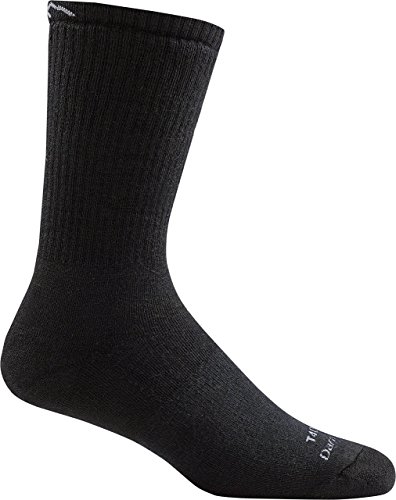
Darn Tough Vermont is one of the most independently tested and validated work sock brands available — with a lifetime guarantee that is genuinely honoured. The merino wool construction provides the same insulate-when-wet property as a merino wool base layer, which matters for outdoor workers whose feet sweat during physical work then cool rapidly during breaks. The Vermont manufacturing and full merino content justify the price premium for workers who spend 10 hours a day on their feet on hard construction surfaces.

- Material: Merino wool — warm when wet, odour-resistant, temperature-regulating
- Guarantee: Lifetime guarantee — if they wear out, Darn Tough replaces them
- Best for: Winter construction, cold climates, anyone spending a full shift on their feet in cold conditions
- Sock height: Over-the-calf preferred for tall work boots — prevents the boot collar from contacting bare skin
Best Construction Work Clothes for Women
Women in construction have historically been handed re-sized men’s clothing — which fits poorly through the hip, waist, and shoulder, restricts movement, and reduces both safety and comfort. This is not a minor inconvenience; a poorly fitting work shirt that gaps at the bust restricts arm movement differently than a properly fitted shirt, and a work jacket that pulls across the shoulder reduces overhead reach. The January 2025 OSHA PPE fit requirement formalises what experienced tradeswomen have always known: properly fitting PPE — including clothing — is a safety requirement, not a preference.
Best Women’s Work Pants — Carhartt Women’s Rugged Flex Double Front Pants

The Carhartt Women’s Rugged Flex Double Front applies the same double-front construction and knee pad openings of the men’s B01 to a women’s-proportioned cut — proper hip-to-waist ratio, correct thigh width, and a rise that works with women’s torso proportions. This is not a men’s pant in a smaller size; it is a genuinely women’s-proportioned work pant in Carhartt’s heaviest-duty fabric.

- Cut: Women’s proportions — not scaled-down men’s sizing
- Double front: Same knee and thigh protection as men’s B01
- Best for: All construction trades — the foundational women’s construction work pant
Premium Women’s Work Pants — Dovetail Workwear Britt Utility Pant
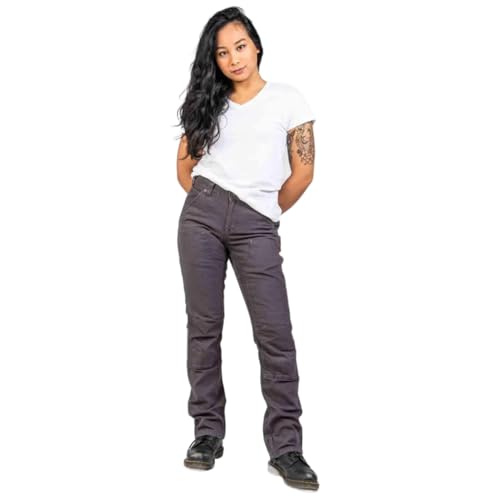
Dovetail Workwear is the brand built specifically for women in trades — every design decision starts from a women’s body rather than adapting men’s patterns. The Britt Utility Pant provides genuine pocket space (a consistent complaint about women’s workwear), construction-appropriate durability, and a fit that works through a full range of movement without excess fabric bunching or fabric gapping at the waistband during bending and kneeling.

- Brand philosophy: Designed for women in trades — not adapted men’s patterns
- Pockets: Functional pocket space — a known weakness in women’s workwear from mainstream brands
- Best for: Women who want premium-tier women’s-specific construction workwear
Best Women’s Work Shirt — Carhartt Women’s Force Shirt
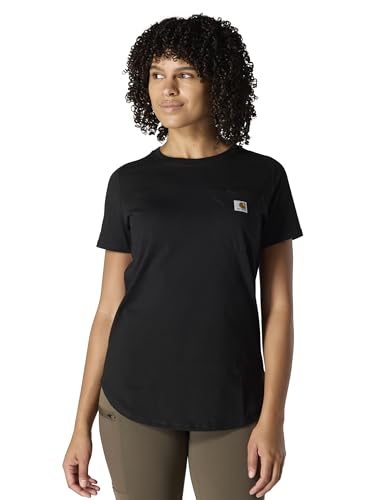
The Carhartt Women’s Force applies the same FastDry moisture-wicking technology as the men’s Force line to a women’s-proportioned shirt — with shoulder and torso proportions that don’t gap at the bust or pull at the shoulder during overhead arm movement. This is the correct daily work shirt for women in active construction trades across summer and warm-weather conditions.

- Best for: Women in active construction trades, daily summer work shirt
- Fit: Women’s proportions — correct shoulder width and torso shape for movement without pulling
Best Women’s Work Jacket — Carhartt Women’s Duck Active Jacket
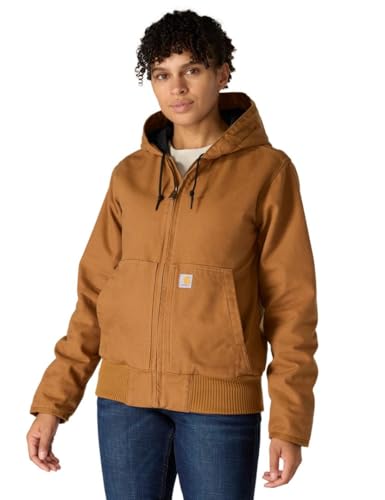
The Carhartt Women’s Duck Active applies the same 12-oz duck canvas construction as the men’s version in a women’s-proportioned cut. The fit difference matters practically: a men’s small jacket restricts overhead reach differently than a women’s small jacket in the same size, because the shoulder seam position and sleeve angle differ between men’s and women’s patterns.

- Shell: 12-oz cotton duck — same construction as men’s Duck Active
- Best for: Women in all cold-weather construction trades
Best Construction Work Clothes for Hot Weather and Summer
Heat stress is the most common weather-related hazard on construction sites — OSHA’s Heat Illness Prevention campaign explicitly identifies construction as a high-risk industry. Clothing choice directly affects heat stress risk, and the wrong summer workwear is a genuine safety issue, not just a comfort problem. The most common mistake: short-sleeve cotton shirts in direct sun. Here is the correct approach.
Why Long Sleeves in Summer?
Outdoor safety organisations and OSHA’s heat illness guidance recommend light-coloured, loose-fitting, long-sleeved clothing for outdoor construction in summer — which surprises most workers who instinctively reach for short sleeves in heat. The reasoning: long sleeves prevent direct UV radiation on skin, reducing skin cancer risk that is elevated for outdoor construction workers; they prevent abrasion injuries from material contact; and in hot direct sun, a lightweight long-sleeve shirt that wicks moisture can actually feel cooler than bare skin in direct sunlight because it blocks radiant heat from reaching the skin surface.
Summer Workwear Kit
- Shirt: Moisture-wicking long-sleeve — Carhartt Force Long-Sleeve or equivalent
- Pants: Lightweight ripstop or Rugged Flex — not heavy 12-oz duck canvas; the Carhartt Rugged Flex in summer conditions
- Base layer: Moisture-wicking synthetic lightweight — not cotton
- Socks: Bamboo viscose or lightweight moisture-wicking — not wool
- Hi-vis: Always worn over the top where required — check site requirements
- Colour: Light colours absorb significantly less solar radiation than dark colours — white, tan, and light grey are meaningfully cooler in direct sun
Fabrics to Avoid in Summer Construction
- 100% cotton that absorbs sweat and stays wet against skin
- Heavy 12-oz duck canvas — retains heat and restricts airflow
- Dark colours in direct sun — absorb significantly more solar radiation
- Non-breathable synthetic shells — trap heat and moisture together
Best Construction Work Clothes for Cold Weather and Winter
Cold outdoor work is a genuine health and safety risk — hypothermia, frostbite, and cold stress impair judgment and motor function before workers recognise the onset. The layering system is the correct approach to cold-weather construction clothing, and it needs to be understood as a system, not as individual garments.
The Three-Layer System for Construction Workers
Layer 1 — Base layer (moisture management): Merino wool or moisture-wicking synthetic. NEVER cotton thermal underwear. The base layer’s job is to pull sweat away from skin during physical work. Cotton does the opposite — it absorbs sweat and holds it against skin. Wet cotton against skin in cold air accelerates heat loss dramatically. This is the “cotton kills” principle — accurate and important.
Layer 2 — Mid-layer (insulation): Fleece, insulated vest, or insulated shirt jacket. Traps body heat. Should be removable when exertion level rises during heavy physical work, to prevent overheating and sweating, which then wets the base layer. A vest mid-layer allows core insulation without restricting arm movement.
Layer 3 — Outer layer (wind and water protection): Work jacket with DWR coating or waterproof treatment. Blocks wind and precipitation without trapping the moisture moving outward from the base layer. Should be breathable — a non-breathable waterproof shell traps moisture inside the layering system.
Winter Work Pants: Lined vs. Unlined
For physically active construction work — framing, concrete, roofing — unlined heavy duck canvas (Carhartt B01) is often the better choice in winter than insulated lined pants. Body heat generated during physical work keeps workers warm through the heavy fabric without the overheating that insulated pants cause during high-exertion periods. Insulated lined pants are correct for static or low-exertion roles: site supervisors, inspectors, engineers directing work rather than performing it.
Winter Extremity Protection
The body shunts blood away from the extremities to protect core temperature in cold — meaning hands and feet become cold before the core. Insulated work gloves (Wells Lamont FX3 or equivalent), heavyweight merino wool socks (Darn Tough Vermont), and thermal boot liners are non-optional in below-freezing conditions. A construction worker who loses dexterity in their hands due to cold is a tool-drop and accident risk — not just uncomfortable.
Flame-Resistant Work Clothes for Construction: Who Needs Them
FR workwear is not a premium upgrade for safety-conscious workers — it is a compliance requirement for workers whose employer’s hazard assessment identifies arc flash or fire exposure. For everyone else, standard work clothing is appropriate. Here is how to determine which applies to your work.
Who needs FR construction workwear:
- Electricians working near energised conductors and switchgear
- Welders and cutting operators (open flame and spark exposure)
- Petroleum and natural gas construction workers
- Pipeline workers and utility maintenance crews
- Workers in any environment where the employer’s hazard assessment identifies arc flash Category 1 or above
The polyester danger — critical information: Standard polyester and poly-cotton blend shirts are actively dangerous near arc flash. In an arc flash event, these synthetic fabrics melt and adhere to skin, causing severe burns that compound the arc blast injury. 100% cotton chars rather than melts, limiting skin contact. FR-rated fabric is engineered to resist ignition and self-extinguish. Standard cotton is the minimum; FR-rated fabric is required where an employer’s hazard assessment mandates it.
Best FR Long-Sleeve T-Shirt — Carhartt Men’s FR Force Dearborn Loose LS T-Shirt
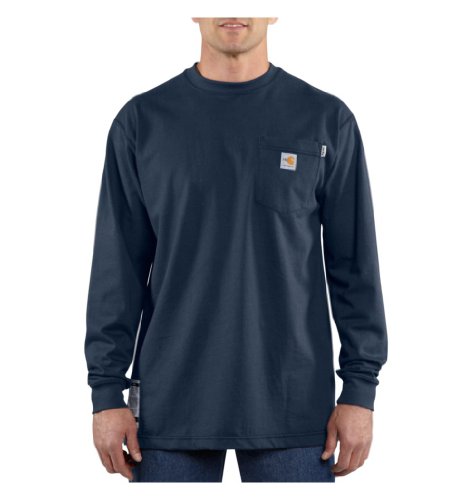
The Carhartt FR Force applies FR treatment to the Force moisture-wicking fabric — providing both the arc-flash safety of FR-rated clothing and the moisture management needed for physically demanding electrical and utility construction work. The loose fit is intentional: in an arc flash event, looser garments stay farther from skin, reducing contact burn severity.

- FR rating: NFPA 70E compliant — verify the specific cal/cm² rating matches your site’s arc flash hazard level
- Care: No bleach, no fabric softener, no optical brighteners — these degrade FR treatment and may render the garment non-compliant
- Best for: Electricians, utility workers, anyone with confirmed arc flash exposure in their hazard assessment
Best FR Work Pants — Bulwark FR Men’s Flame Resistant 9 oz Twill Cotton Work Pant
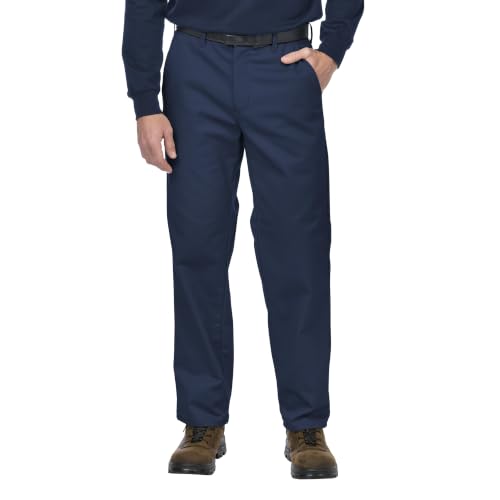
Bulwark is one of the most established FR workwear brands in North America — worn by utility workers, electricians, and industrial workers across high-arc-flash environments. The 9-oz FR twill cotton provides the abrasion resistance and durability of a standard work pant with certified flame resistance that meets NFPA 70E requirements for electrical work environments.

- Brand: Bulwark — established professional FR workwear brand with compliance documentation
- Standard: NFPA 70E compliant — verify the specific rating for your arc flash category
- Care: Follow manufacturer washing instructions precisely — FR treatment integrity depends on correct care
Work Boots for Construction: What to Look For
OSHA requires safety-toe footwear rated to ASTM F2413 on most construction sites — this is not a recommendation, it is a compliance requirement. Construction work boots need to provide impact and compression protection (I/75 or I/75 C/75 rating), appropriate slip resistance for the work surface, and ideally an EH (Electrical Hazard) rating for electrical workers. Work boot selection is a significant enough topic to warrant its own dedicated guide — what follows covers the key safety specifications every construction worker needs to understand before buying.
Steel Toe vs. Composite Toe
Steel toe caps are heavier and conduct temperature — cold in winter, hot in summer footwear. Composite toe caps are lighter, non-conductive (critical for electrical workers — steel toes can conduct electrical current in some scenarios), and pass through metal detectors. For most construction workers, composite toe provides adequate protection with practical advantages. For electricians specifically, composite toe or dielectric boot is preferred.
Best Steel-Toe Work Boot — Timberland PRO Flume Work Steel Safety Toe Waterproof
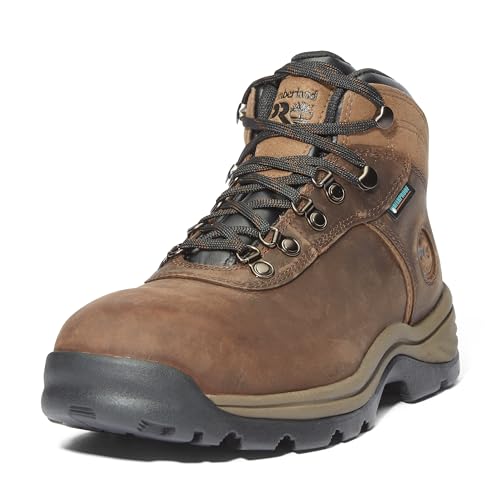
The Timberland PRO Flume is a full-featured construction work boot — ASTM F2413-rated steel toe, waterproof membrane, anti-fatigue footbed for extended shift comfort, and slip-resistant outsole. The waterproof membrane is relevant for outdoor construction in wet conditions: concrete workers, framers in rain, and any trade where standing water or wet surfaces are common daily conditions.

- ASTM rating: F2413 — verify the specific rating code on the product label before purchase
- Waterproof: Yes — sealed membrane for wet-condition construction
- Best for: General construction, outdoor trades, concrete workers, framers
- Note on sizing: Wearing thick work socks may require sizing up half a size from street shoe size — order knowing this
Best ESD/Electrical Work Boot — KEEN Utility Gibson ESD Boot
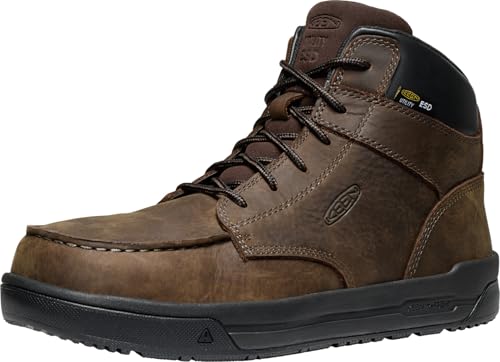
ESD (Electrostatic Discharge) boots are specifically designed for electricians and workers in environments where static discharge is a hazard. The KEEN Utility Gibson provides ASTM F2413 safety toe protection with ESD rating — preventing static buildup that can damage sensitive electrical components or trigger discharge in explosive environments. For electricians on commercial and industrial construction sites, ESD footwear is frequently specified in site PPE requirements.
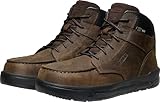
- ESD rating: Controls static discharge — required for sensitive electrical environments
- ASTM F2413: Safety-toe rated — meets OSHA construction site requirements
- Best for: Electricians, electronics installers, environments with static discharge hazards
Construction Workwear by Trade: Specific Recommendations
No other workwear guide covers trade-specific clothing recommendations. Every other article provides generic workwear advice that applies equally to a framer, electrician, concrete finisher, and site supervisor — but these trades have meaningfully different clothing requirements. Here is what the specific workwear considerations are for six common construction trades.
Framers and Carpenters
Framing and carpentry involve the most demanding combination of kneeling, heavy materials handling, outdoor exposure, and physical exertion. Workwear requirements: Carhartt B01 Double Front work pants (knee protection essential — framers spend significant time kneeling on rough surfaces); long-sleeve work shirt for arm abrasion protection from lumber contact; work flannel or fleece in cooler weather; heavy leather or synthetic hybrid gloves (A4 cut level minimum); steel-toe work boots; hard hat. Knee pads worn under the double-front pants with knee pad pockets — not over the pants, where they slip and restrict movement.
Electricians and HVAC Technicians
Electrical and HVAC work requires mobility in tight spaces, frequent overhead arm movement, and — critically — appropriate fabric choices near energised equipment. Workwear requirements: Carhartt Rugged Flex work pants (stretch for tight-space mobility); 100% cotton or FR-rated shirt — never polyester or poly-cotton near energised equipment; touchscreen-compatible gloves for tablet and device use; composite toe boots (non-conductive, preferred over steel toe for electrical work); ESD boots on sites with static discharge requirements. For work near energised conductors, FR shirt is required per NFPA 70E.
Concrete Workers and Finishers
Concrete work involves sustained contact with wet concrete (a chemical skin hazard), physical exertion in hot and humid conditions, and long periods of kneeling. Workwear requirements: Waterproof outer layer or concrete-splash-resistant pants for wet concrete contact; rubber knee pads or work pants with built-in knee pad pockets; moisture-wicking base layer (concrete work is physically demanding and hot in summer); heavy-duty leather palm gloves for materials handling; waterproof work boots (concrete is highly alkaline and damages standard leather boots rapidly).
Roofers
Roofing work involves extreme heat and sun exposure, significant fall hazard, and specific footwear requirements for grip on pitched surfaces. Workwear requirements: Lightweight, flexible work pants (heavy duck canvas is too restrictive for the climbing and balance movements of roofing); rubber-soled work boots with aggressive grip pattern — the boot outsole is the primary roofing safety tool; moisture-wicking long-sleeve shirt for sun protection in heat; summer roofers should pay specific attention to heat management — this is the trade with the highest heat illness incidence in construction.
Site Supervisors and Project Managers
Supervisors move between office, site trailer, and active construction areas — requiring workwear that functions in all three environments. Workwear requirements: Dickies 874 or Carhartt Rugged Flex (cleaner profile appropriate for client meetings, durable enough for site environments); work shirt or polo; hi-vis vest always worn when on active site — this is non-negotiable regardless of supervisory role; sturdy footwear appropriate for site surfaces — steel-toe or composite-toe work boot, not dress shoes; touchscreen-compatible gloves if handling devices on active site.
Demolition Workers
Demolition involves the highest cut and impact hazard levels in construction. Workwear requirements: Cut-resistant gloves at A6 or above — the minimum for regular contact with sharp demolition debris, glass, and metal; heavy-duty over-shoe protection where required by hazard assessment; respirator-compatible clothing — no neck gaiters, scarves, or loose collar garments that interfere with respirator seal; heavy-duty work pants with abrasion resistance; eye protection and hard hat always. For asbestos or lead demolition, specific PPE requirements apply beyond the scope of this guide — follow site-specific hazard assessment requirements.
Building Your Construction Workwear Kit: Where to Start
Not everyone can replace their entire workwear kit at once — and buying in the wrong order means spending money on lower-priority items while wearing through high-priority ones faster. Here is the priority order for building a construction workwear kit from scratch or replacing a worn-out one.
| Priority | Item | Why First | Minimum to Buy |
|---|---|---|---|
| 1 | Work boots | OSHA-required; safety-toe footwear is non-optional on most sites | 1 pair — the best you can afford |
| 2 | Work pants | Takes the most abuse; buy quality and it lasts 2–3× longer | 2 pairs minimum — alternate daily |
| 3 | Base layers | Most impactful purchase for cold-weather comfort and safety; inexpensive relative to impact | 2 winter base layers + 2 summer |
| 4 | Work shirts | Daily wear — need enough for a working week | 3 minimum; 5 preferred |
| 5 | Outerwear | Weather-dependent; insulated jacket for winter + rain jacket for wet conditions | 1 insulated jacket + 1 rain layer |
| 6 | Gloves | Wear out quickly; buy in multiples | 2–3 pairs of your primary glove type |
| 7 | Socks | Replace frequently; buy packs | 7+ pairs — one per day minimum |
Rough $500 workwear budget allocation: Boots $140–$180 (28–36%), work pants $80–$120 (16–24%), base layers $60–$80 (12–16%), work shirts $60–$80 (12–16%), outerwear $80–$120 (16–24% — split across seasons), gloves $30–$50 (6–10%), socks $30–$50 (6–10%). Adjust based on your specific climate — cold climates shift allocation toward base layers and outerwear; hot climates toward moisture-wicking shirts and summer socks.
How to Care for Construction Work Clothes to Make Them Last

A well-cared-for Carhartt B01 at $65 outlasts a neglected one by a full season or more. Work clothes care is not complicated — but a few specific mistakes destroy garments well before their natural lifespan.
Work pants: Wash inside-out to prevent surface abrasion of the outer fabric. Cold wash for cotton duck to prevent shrinkage — a 12-oz duck pant can shrink meaningfully in a hot wash. No high dryer heat. No bleach. Pre-treat oil, concrete, and tar stains immediately with dish soap or commercial degreaser before washing — once these stains set, they are permanent.
FR garments: Wash per manufacturer instructions only — this is a safety requirement, not a preference. No fabric softener, no bleach, no optical brighteners. These additives degrade FR treatment — and a degraded FR garment provides less protection than its rating indicates without any visible sign of degradation. If an FR garment’s treatment is compromised, replace it.
Work shirts: Wash inside-out. Moisture-wicking fabrics degrade with fabric softener — the softener coats the fibres and blocks the wicking channels. Air-dry or low heat for any performance fabric; high heat damages the wicking finish permanently.
Work gloves: Most leather gloves can be hand-washed with mild soap and air-dried. Do not machine wash leather — it hardens and cracks the leather permanently. Synthetic gloves generally machine wash well on cold — check the manufacturer’s label.
Work socks: Cold wash, air-dry or low heat. Merino wool degrades with high heat — never tumble dry merino on high. Replace when the cushioning compresses permanently or the fabric wears thin at the ball and heel — worn-out cushioning causes more blisters than new socks at the same budget level.
Frequently Asked Questions — Best Work Clothes for Construction Workers
What should construction workers wear?
The complete construction workwear kit: ASTM F2413-rated safety-toe work boots (required on most sites), double-front work pants with knee pad openings (Carhartt B01 or equivalent), moisture-appropriate work shirt (long-sleeve for sun protection outdoors), moisture-wicking base layers appropriate for the season, a hi-vis vest where required, work gloves appropriate to the task hazard level, and merino wool or technical work socks. Trade-specific additions apply — see the trade-by-trade guide above.
Are jeans OK on a construction site?
Standard denim jeans are not appropriate for most professional construction work. They provide no double-knee protection, limited abrasion resistance compared to 12-oz duck canvas, no FR properties (and most modern denim contains significant polyester content), and no hammer loops, rule pockets, or knee pad openings. Some employers permit jeans in low-hazard site environments, but purpose-built work pants are significantly better in every practical safety and functional measure. Always check site-specific PPE requirements before the first day.
What is the best fabric for construction work clothes?
It depends on the application. 12-oz cotton duck for maximum abrasion resistance in work pants. Moisture-wicking polyester-cotton blends for hot-weather shirts. 100% cotton or FR-rated fabric for electrical and welding work — never polyester near arc flash or flame. Merino wool for base layers in cold weather. For general construction work shirts in moderate conditions, a cotton-nylon ripstop blend provides the best combination of durability, light weight, and comfort.
What do construction workers wear in summer?
Moisture-wicking long-sleeve shirt (long sleeve for UV and abrasion protection even in heat), lightweight ripstop or stretch work pants (not heavy duck canvas), moisture-wicking synthetic base layer, lightweight bamboo or technical work socks, hi-vis vest where required, and work boots with ventilated or waterproof membranes appropriate for the work surface. Light colours absorb significantly less solar radiation than dark colours — choose tan, white, or light grey where site requirements allow.
What do construction workers wear in winter?
The three-layer system: merino wool or synthetic moisture-wicking base layer (never cotton thermal), fleece or insulated vest mid-layer for core insulation, waterproof work jacket outer layer. For active physical work — framing, concrete — unlined heavy duck work pants and body heat through exertion. For supervisory or low-exertion roles — insulated lined work pants. Insulated work gloves, heavy merino wool socks, and thermal boot liners for extremities. The “cotton kills” principle applies: wet cotton in cold conditions causes rapid heat loss — always use merino or synthetic base layers.
Can construction workers wear shorts?
Most professional construction sites prohibit shorts due to knee injury risk, abrasion hazard from material contact, sun and UV exposure, and chemical splash risk (concrete is highly alkaline). Some employers permit shorts for specific roles in hot conditions — always check site-specific PPE requirements. In general, purpose-built lightweight work pants provide more protection with comparable comfort in hot weather compared to shorts.
Do construction workers need to wear FR clothing?
Only if the employer’s hazard assessment identifies arc flash, flame, or fire exposure in the worker’s specific tasks. For general construction with no identified thermal hazards, standard work clothing is appropriate. For electricians near energised conductors, welders, utility workers, and pipeline workers, FR clothing is typically required under NFPA 70E and OSHA regulations. When in doubt, consult the site safety officer and request a copy of the site’s arc flash hazard assessment.
Final Verdict — Best Work Clothes for Construction Workers
The right construction workwear is not the most expensive option — it is the correct option for the specific trade, climate, and season. Work pants and boots take the most abuse and deserve the most budget investment. Base layers are the most undervalued purchase in a construction workwear kit and the most impactful for winter comfort and cold-weather safety. FR clothing is not optional for electrical and welding trades and is specifically required by OSHA-compliant hazard assessments for those environments.
Use the priority buying guide above if building a kit from scratch. Use the trade-specific section to identify what your specific trade actually needs — not just generic construction recommendations.
| Category | Best Pick | Budget Pick | Buy Now |
|---|---|---|---|
| Work Pants (Heavy Duty) | Carhartt B01 Double Front | Dickies 874 | Carhartt B01 → | Dickies 874 → |
| Work Pants (Flex) | Carhartt Rugged Flex | Carhartt Rugged Flex | View on Amazon → |
| Work T-Shirt | Carhartt Force Moisture-Wicking | Carhartt Force | View on Amazon → |
| Long-Sleeve Work Shirt | Carhartt Rugged Flex Rigby | Carhartt Rugged Flex Rigby | View on Amazon → |
| Work Flannel | Carhartt Rugged Flex Hamilton | Carhartt Rugged Flex Hamilton | View on Amazon → |
| FR Work Shirt | Carhartt FR Force Dearborn | FR-Rated 100% Cotton Shirt | Carhartt FR → | FR Cotton → |
| FR Work Pants | Bulwark FR 9 oz Twill | Bulwark FR | View on Amazon → |
| Summer Base Layer | Moisture-Wicking Synthetic | Moisture-Wicking Synthetic | View on Amazon → |
| Winter Base Layer | Smartwool Classic Thermal Merino | Smartwool Merino | View on Amazon → |
| Mid-Layer Vest | Columbia Steens Mountain Vest | Columbia Steens Mountain | View on Amazon → |
| Insulated Work Jacket | Carhartt Duck Active Jacket | Carhartt Duck Active | View on Amazon → |
| Lightweight Work Jacket | Carhartt Rugged Flex Jacket | Carhartt Rugged Flex | View on Amazon → |
| Rain Jacket | Helly Hansen Gale | TACVASEN Softshell | HH Gale → | Softshell → |
| Work Vest | Wrangler Riggs Duck Vest | Wrangler Riggs | View on Amazon → |
| General Work Gloves | Mechanix Wear Original | HANDLANDY Touchscreen | Mechanix → | HANDLANDY → |
| Heavy-Duty Gloves | Wells Lamont Leather Palm | Wells Lamont | View on Amazon → |
| Winter Gloves | Wells Lamont FX3 Insulated | Wells Lamont FX3 | View on Amazon → |
| All-Day Work Socks | Carhartt Heavyweight Crew 4-Pack | Carhartt 4-Pack | View on Amazon → |
| Summer Work Socks | BAMBOO COOL Crew Socks | BAMBOO COOL | View on Amazon → |
| Winter Work Socks | Darn Tough Vermont Merino Wool | Darn Tough | View on Amazon → |
| Women’s Work Pants | Carhartt Women’s Rugged Flex Double Front | Carhartt Women’s | Carhartt → | Dovetail → |
| Women’s Work Shirt | Carhartt Women’s Force | Carhartt Women’s Force | View on Amazon → |
| Women’s Work Jacket | Carhartt Women’s Duck Active | Carhartt Women’s | View on Amazon → |
| Steel-Toe Work Boot | Timberland PRO Flume Waterproof | Timberland PRO | View on Amazon → |
| ESD/Electrical Work Boot | KEEN Utility Gibson ESD | KEEN Utility | View on Amazon → |