Stripped screws can ruin the momentum of a repair in seconds. One moment you are removing a cabinet hinge, fixing a door handle, opening an appliance panel, or backing out an old wood screw, and the next the driver bit is spinning uselessly in a damaged screw head. The good news is that most stripped screws can still be removed if you use the right method in the right order instead of jumping straight to drilling and making the problem worse.
This guide explains exactly how to remove stripped screws using the safest methods first and the more aggressive methods only when needed. You will learn how to deal with stripped screws in wood, metal, plastic, drywall, and hardware, plus when to use pliers, a rubber band, a manual impact driver, a left-hand drill bit, a screw extractor, or the final drill-the-head-off method.
What Is a Stripped Screw?
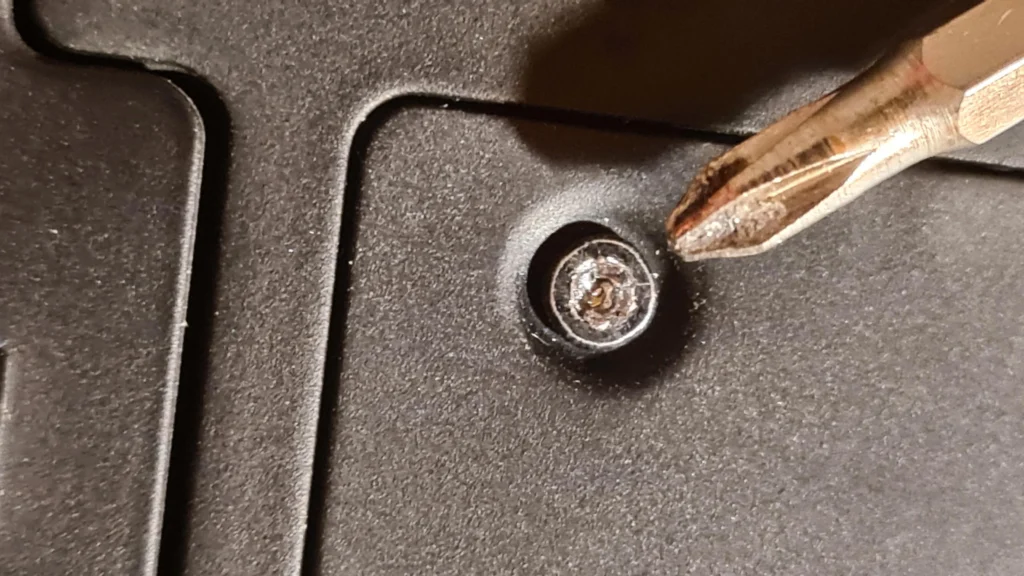
A stripped screw is a screw whose drive recess has become damaged so badly that the screwdriver or bit can no longer grip it properly. Instead of turning the screw, the tool slips, cams out, or spins in place. This can happen with Phillips, Pozidriv, Torx, slotted, hex, and security screws, although some head types are more prone to stripping than others.
In most DIY situations, stripped screws happen for one of six reasons: the wrong bit size, a worn-out bit, too much force, poor alignment, rust or thread-locker causing the screw to seize, or soft low-quality screws that deform too easily. Often the real problem is not just the head. The screw may also be frozen in the material, which is why the head strips before the threads break loose.
What Causes Screws to Strip?
| Cause | What Happens | How to Prevent It |
|---|---|---|
| Wrong screwdriver or bit size | The bit does not fully engage the recess and slips under load | Use the exact size and type for the screw head |
| Worn driver bit | Rounded edges reduce grip and destroy the screw head faster | Replace worn bits early |
| Too much torque | The recess deforms before the screw moves | Start slowly and use hand tools when needed |
| Bit not seated fully | Only part of the recess takes the load | Press firmly and keep the tool straight |
| Rust, paint, glue, or thread-locker | The screw is seized, so the head strips before the threads release | Use penetrating oil, heat where appropriate, or shock methods |
| Cheap or soft screws | The head rounds too easily | Use better-quality fasteners for important work |
How to Choose the Right Removal Method

The best way to remove a stripped screw depends on four things: how damaged the head is, whether the head is exposed or recessed, whether the screw is rusted or seized, and what material surrounds it. A lightly stripped screw in softwood is very different from a recessed machine screw in a rusted hinge.
| Situation | Best First Method | If That Fails |
|---|---|---|
| Lightly stripped screw | Correct bit with firm downward pressure | Rubber band or friction compound |
| Head exposed above the surface | Locking pliers | Extractor pliers or drill chuck grip |
| Recessed screw | Tap in a larger bit or Torx bit | Extractor or left-hand drill bit |
| Rusty or seized screw | Penetrating oil and light tapping | Manual impact driver or left-hand drill bit |
| Completely destroyed head | Cut a new slot | Drill the head off |
| Broken screw or stud | Center punch and left-hand drill bit | Extractor or drill-out method |
Start With the Least Destructive Methods
Always work from the least aggressive option to the most aggressive. That protects the surrounding material and gives you the best chance of removing the screw cleanly. Many screws that look hopeless actually come out with nothing more than better grip and better technique.

1. Try the Correct Bit Again
Before doing anything else, stop and confirm the screw type and size. A fresh, correctly sized bit often solves the problem if the screw is only beginning to strip. Press down hard, keep the tool perfectly in line with the screw, and turn slowly by hand rather than blasting away with a drill.
This step matters because high-speed slipping usually destroys the last bit of usable grip. If the bit keeps climbing out of the head, stop immediately and move to the next method.
2. Use a Rubber Band for Extra Grip
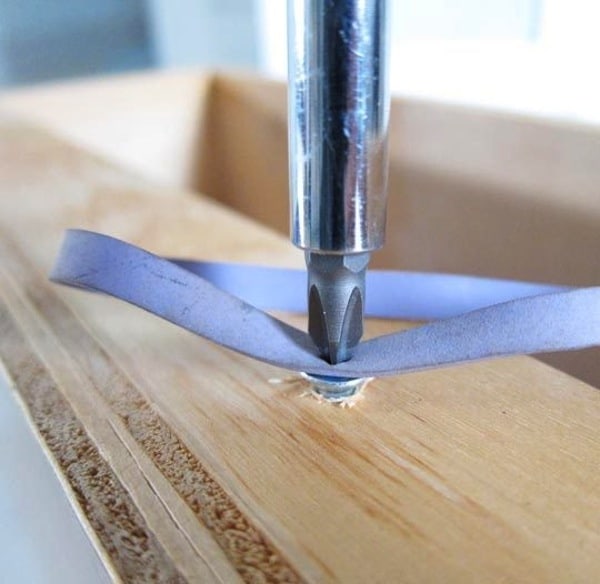
The rubber band trick works because it adds friction between the bit and the damaged screw head. Lay a wide rubber band flat over the screw, press the screwdriver through it into the recess, then turn counter-clockwise slowly and firmly.
This method works best on lightly stripped screws, especially Phillips head screws that still have some shape left. It will not fix a screw whose head is completely rounded out, but it is fast, cheap, and worth trying early.
3. Try a Slightly Larger Bit or a Different Bit Style
If the original bit slips, a slightly larger bit or even a Torx bit tapped gently into the head can sometimes create a fresh grip. This works because the sharper edges of the new bit bite into the soft damaged metal better than the original bit.
Use light hammer taps only. You want the bit to seat more deeply, not crack the surrounding surface or mushroom the screw head.
4. Add Friction With Abrasive Grip Compound
If you have screw-grip paste or another friction compound, apply a small amount to the tip of the bit before trying again. It works like a more durable version of the rubber band method and is especially useful on partly damaged screws that still have some defined recess shape.
Best Methods for Badly Stripped Screws
Once the easy tricks fail, it is time to switch from friction-based methods to mechanical removal tools. These methods work by gripping the outside of the screw, shocking the threads loose, drilling in reverse, or creating a brand-new drive point.
1. Locking Pliers
If the screw head is sticking up above the surface, locking pliers are often the best option. Clamp them onto the sides of the screw head as tightly as possible and turn counter-clockwise using short, controlled movements.
This method is often more reliable than a screw extractor because it avoids drilling altogether. It is especially good for wood screws, pan-head screws, and hardware screws that are proud enough to grab. If you can get pliers on the head, try this before you drill anything.
2. Grip the Screw With a Drill Chuck
If the head protrudes enough and you do not have locking pliers handy, open the drill chuck, fit it over the screw head, tighten the jaws onto the metal, and run the drill in reverse slowly. This can work surprisingly well on exposed screws.
Go slow and keep the drill aligned. The goal is to back the screw out gently, not yank it free and damage the material around it.
3. Use a Manual Impact Driver
A manual impact driver is one of the most effective tools for stuck screws in metal, especially screws in hinges, machinery, brake rotors, automotive panels, or old hardware. When you hit it with a hammer, it drives the bit downward while twisting it at the same time.
That downward impact helps keep the bit seated so it does not cam out, and the sudden twisting force helps shock the threads loose. If you are dealing with a stripped screw that is also seized, this is often a smarter step than going straight to extractors.
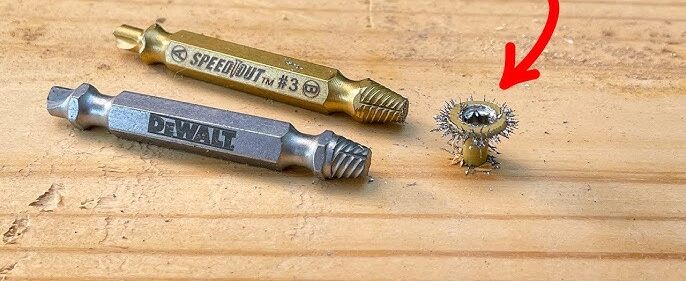
4. Use a Screw Extractor
A screw extractor is designed for damaged screws whose heads can no longer be turned normally. Most kits either use a burnishing end to prepare the damaged recess and an extractor end to bite in, or they require a pilot hole drilled into the screw first before the reverse-threaded extractor is inserted.
- Select the correct extractor size for the screw.
- If required, drill a centered pilot hole in the screw head.
- Insert the extractor and turn it counter-clockwise slowly.
- Maintain steady pressure and low speed.
- Stop if the extractor slips or feels like it may snap.
The biggest danger with screw extractors is rushing. Cheap extractors can break if forced too hard, and hardened broken extractor steel is much harder to drill than the original screw. Use them carefully,
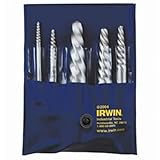
- IRWIN Spiral Flute Screw Extractor, 6-Piece (53545) – the classic drill-a-pilot-hole style from a long-standing brand. Rated 4.3 stars across 1,000+ Amazon ratings.
- Alden 8430P Pro Grabit 3-Piece Kit – double-ended bits that drill and extract in one tool. Rated 4.2 stars across 450+ ratings.
- THOSAF Damaged Screw Extractor Set – a budget burnish-and-extract set for screws from about 3 to 12 mm. Rated 4.2 stars across 10,000+ ratings.
Ratings checked on Amazon on September 29, 2026.
5. Use a Left-Hand Drill Bit
Left-hand drill bits are one of the most underrated stripped-screw tools. Unlike normal drill bits, they cut while rotating in reverse. That means they can sometimes drill into the screw and back it out at the same time.
This method is excellent for recessed screws, damaged machine screws, broken studs, and seized fasteners. Start by center punching the screw if possible, choose a bit slightly smaller than the screw head or shank as appropriate, run the drill in reverse, and apply controlled pressure. In many cases the screw will begin turning out before you even need an extractor.
If you do a lot of repairs, a left-hand drill bit set is worth owning. It often works faster and more safely than a cheap extractor set.
How to Remove a Rusted or Seized Stripped Screw
When a screw is rusted or seized, the problem is not just the damaged head. Corrosion, paint, debris, swelling wood, or thread-locking compound may be locking the threads in place. In that situation, extra torque alone often makes things worse.
- Spray the screw with penetrating oil.
- Let it soak for several minutes or longer if corrosion is heavy.
- Tap the screw head lightly with a hammer to help break corrosion.
- Try the correct bit again with firm downward pressure.
- Move to a manual impact driver if the screw is still stuck.
- Use a left-hand drill bit or extractor if needed.
In metal-only applications, heat can sometimes help release thread-locker or corrosion. Use it carefully and never near plastic, electronics, painted finishes you want to preserve, or anything flammable. Heat is useful, but only when the surrounding materials allow it.
How to Cut a New Slot in a Stripped Screw
If the screw head is accessible but the original recess is destroyed, you can often rescue it by cutting a fresh slot across the top with a rotary tool and a cut-off wheel. Once the slot is deep enough, use a wide flathead screwdriver to back the screw out.
This works especially well on larger screws, machine screws, and hardware screws in metal brackets or appliances. Protect the surrounding surface with painter’s tape, go slowly, and keep the cut centered. It is a simple method, but it requires a steady hand.
How to Drill the Head Off a Stripped Screw
If the head is completely destroyed and nothing else works, drilling the head off is usually the final dependable solution. This sounds aggressive, but it is often cleaner and faster than endlessly fighting a dead screw head.
- Choose a drill bit close to the diameter of the screw shank.
- Drill straight into the center of the screw head.
- Stop once the head separates from the shank.
- Remove the hardware, hinge, bracket, or panel that the screw was holding.
- Grip the remaining exposed shank with pliers and unscrew it.
The key is to remove only the head, not drill blindly through the whole screw and surrounding material. Once the clamped part is removed, the remaining shank is often much easier to turn out because the clamping force is gone.
How to Remove a Stripped Screw From Wood
Wood gives you more options because it is usually easier to work around than metal. If the head is exposed, locking pliers are usually the fastest and safest choice. If the head is recessed, start with the rubber band trick, a fresh bit, or a tapped-in Torx bit before moving to extractors or left-hand drill bits.
For deeply buried wood screws, a plug cutter can remove the wood around the screw so you can access the head or shank. This is more invasive, but it is sometimes the cleanest solution for furniture, trim, deck repairs, and cabinetry where the screw sits below the surface.
How to Remove a Stripped Screw From Metal
Metal is less forgiving than wood because screws tend to seize harder and drilling mistakes are easier to make. Start with penetrating oil, tapping, and a manual impact driver. If that does not work, move to a left-hand drill bit or extractor.
If the screw is in a hinge, appliance panel, automotive part, or metal bracket, cutting a new slot with a rotary tool is often effective. If all else fails, drill the head off and remove the remaining shank once the clamped part is free.
How to Remove a Stripped Screw From Plastic
Plastic needs a gentler approach because too much force can crack the material or ruin the hole. Start with the least aggressive methods: a fresh bit, rubber band, friction paste, or careful plier grip if the head is exposed.
Avoid aggressive hammering or too much heat around plastic parts. If you must drill, use light pressure and low speed. The goal is to remove the screw without enlarging the hole or damaging the plastic housing.
How to Remove a Stripped Screw From a Wall or Drywall Anchor
Wall screws can be tricky because the screw may be stripped while the anchor behind it spins in the wall. If the screw head is exposed, grip it with pliers and pull outward slightly as you turn counter-clockwise. That outward pressure can help the threads catch enough to start backing out.
If the head is flush or destroyed, you may need to cut the head off or remove a small amount of drywall around the anchor. Drywall repair is often easier than wasting time fighting a completely dead fastener.
What Tools Help Most With Stripped Screw Removal?
| Tool | Best For | Why It Helps |
|---|---|---|
| Fresh screwdriver bits | Lightly stripped screws | Restores proper fit before damage gets worse |
| Rubber band | Minor head damage | Adds friction and grip |
| Locking pliers | Exposed screw heads | Grip the outside of the head directly |
| Manual impact driver | Stuck screws in metal | Adds downward shock and turning force together |
| Screw extractor set | Recessed badly damaged screws | Creates a new reverse grip for removal |
| Left-hand drill bits | Broken, recessed, or seized screws | Can drill and back the screw out at the same time |
| Rotary tool | Rounded screw heads | Cuts a new flathead slot |
| Plug cutter | Deep screws in wood | Removes wood around the screw for access |
Stripped Screw Removal Tricks That Sometimes Work
These methods are less reliable than pliers, left-hand drill bits, or a good extractor, but they can work in the right situation and are worth trying when you have limited tools.
- Duct tape: Similar to a rubber band, but usually less effective.
- Hot glue: Can help create temporary grip in a shallow recess if used carefully.
- Steel wool: Adds friction in some cases, but can be messy and inconsistent.
- Glue and sacrificial bit or wrench: Sometimes used on small stripped hex or specialty screws, but curing time is long and results vary.
These are best treated as backup tricks, not primary methods. If the screw really matters, a proper tool usually saves time and reduces damage.
Common Mistakes That Make Stripped Screws Worse
- Using the wrong bit and hoping extra force will compensate.
- Running the drill too fast and rounding out the head faster.
- Trying the same slipping method over and over again.
- Skipping penetrating oil on a rusted or seized screw.
- Using too much force on a brittle extractor.
- Drilling off-center and damaging the surrounding material.
- Ignoring the option to grip the outside of the head with pliers.
How to Prevent Stripped Screws
The easiest stripped screw to remove is the one you never strip at all. Most stripped screws are preventable with better bit fit, slower driving, and better screw selection.
- Use the exact correct driver type and size.
- Keep your bit fully seated before applying torque.
- Replace worn bits before they destroy fasteners.
- Drive and remove screws in line with the screw, not at an angle.
- Use pilot holes in wood so the screw does not bind.
- Use soap, wax, or lubricant on wood screws when appropriate.
- Use penetrating oil on rusty screws before trying to remove them.
- Stop immediately if the bit starts slipping.
- Switch to a manual screwdriver when you need better torque control.
- Use better quality screws for important projects.
Frequently Asked Questions
Can all stripped screws be removed?
Most stripped screws can be removed with the right sequence of methods. Some come out with a simple grip trick, while others need pliers, left-hand drill bits, extractors, or drilling the head off. The sooner you stop the head from getting worse, the better your chances of a clean removal.
What is the easiest way to remove a stripped screw?
The easiest method is usually the one that matches the damage level. For lightly stripped screws, a correct fresh bit with a rubber band often works. For exposed screw heads, locking pliers are usually the most reliable simple option.
What is the best tool for removing stripped screws?
If the head is exposed, locking pliers are often the best tool. If the screw is recessed, a left-hand drill bit or good screw extractor kit is usually the best next step. For stuck screws in metal, a manual impact driver is extremely useful.
Do rubber bands really work on stripped screws?
Yes, but mostly on lightly stripped screws. They add friction and can help the bit grip enough to start the screw moving. They are not a miracle fix for completely destroyed screw heads.
Are left-hand drill bits better than screw extractors?
In many situations, yes. A left-hand drill bit can sometimes remove the screw while it drills, which makes it faster and safer than a cheap extractor. They are especially useful on broken screws, recessed screws, and seized fasteners.
When should I use a manual impact driver?
Use a manual impact driver when the screw is stuck and normal turning force keeps causing the bit to slip. It is especially effective on screws in metal, hardware, automotive parts, and older fasteners that need shock to break free.
How do I remove a stripped screw from wood without damaging the wood?
Start with the least destructive methods: a fresh bit, a rubber band, or pliers if the head is exposed. If the screw is buried, a left-hand drill bit or extractor is usually safer than randomly drilling. For deeply buried screws, a plug cutter can be the cleanest way to access the screw.
What if the stripped screw is rusted?
Use penetrating oil first and let it soak. Tap the screw lightly, then try again with the correct bit or a manual impact driver. Rusted screws often strip because the threads are seized, so lubrication and shock matter more than extra force alone.
Can I use a rotary tool to remove a stripped screw?
Yes. A rotary tool can cut a new slot in the screw head so a flathead screwdriver can remove it. This is a very effective method when the screw head is accessible and there is enough room to cut safely.
What is the last resort for a stripped screw?
The last resort is usually drilling the head off. Once the head is removed, you can take off the part the screw was holding and grip the remaining shank with pliers. It sounds extreme, but it is often the fastest reliable solution for a totally destroyed screw.
Final Thoughts
Removing a stripped screw is all about sequence. Start with the easy methods that preserve the material, move to pliers, impact, left-hand drill bits, or extractors when needed, and save drilling the head off for the worst cases. The biggest mistake is repeating the same slipping method until the screw head is completely destroyed.
If you work on furniture, home repairs, tools, vehicles, or appliances often, it is worth keeping a small stripped-screw kit on hand. A few good bits, locking pliers, a manual impact driver, left-hand drill bits, and a quality extractor set will solve most stripped screw problems without turning a simple repair into a full rebuild.