If your pressure washer had good pressure when you started and lost it while you were working, that timing tells you more than the symptom itself. A machine that never had pressure to begin with points to a clogged nozzle or a weak water supply, the first things anyone checks. A machine that started strong and faded points somewhere different: heat building up inside the pump, a failing unloader valve, a fitting working loose under vibration, or a belt slipping under load. Most troubleshooting guides treat these as one long checklist. They’re not. Here’s how to actually narrow it down.
First, Rule Out the Simple Stuff
Before you touch a wrench, check two things that take thirty seconds and explain a real share of mid-job pressure loss.

How long has the trigger been idle? If you’ve been carrying the wand around, moving ladders, or talking to someone with the machine running but the trigger not pulled, the water recirculating inside the pump has nowhere to go and starts absorbing heat. Run it idle for several minutes and that heat builds enough to affect pressure once you start spraying again. This is the cause most people miss entirely, because it doesn’t feel like a mechanical problem. It isn’t one. Shut the machine off between tasks instead of leaving it running.
Is the hose kinked, or is your water supply weak? The pump needs a steady, unrestricted flow of incoming water to build pressure, and that water also cools internal components as it passes through. A kink partway down a long hose run, or a house spigot that can’t keep up with the pump’s demand, will show up as pressure loss, and running the machine on genuinely inadequate supply for an extended period risks real heat damage to the pump. Straighten the hose and check flow at the spigot with the pressure washer disconnected before assuming the problem is internal.
If Pressure Drops Gradually Over the Job
The Nozzle Has Worn Out

A nozzle’s orifice is a precise size for a reason. Water passing through at high pressure gradually erodes that opening, and a widened orifice lets more water through at lower pressure instead of a tighter, higher-pressure stream. This happens slowly, which is exactly why it shows up as pressure loss over a job or over a season rather than a sudden failure. Swap in a new tip of the correct size (check the orifice number stamped on it, not just the color coding, since color schemes aren’t universal across brands) and see if pressure returns. A five-tip set covering the common spray angles is cheap enough to keep on hand rather than guessing at a single replacement.
A Fitting Has Loosened Under Vibration
Sustained vibration from the pump and engine can work a hose fitting or gun connection loose over the course of a job, even one that was properly tightened at the start. A loose connection lets pressure bleed off at the joint instead of reaching the nozzle. Check every threaded connection along the wand, hose, and pump inlet, and look for a slow drip at any of them, that’s usually where the pressure is actually going.
Worn Pump Seals Under Heat
This is a real repair, not a quick fix, worth naming plainly rather than softening it. Rubber seals and packing inside the pump degrade with heat and use, and once they’re worn enough to let pressure bypass internally, no amount of nozzle-swapping or fitting-tightening will fix it. If you’ve ruled out the nozzle, the water supply, and the fittings and pressure still fades progressively through a job, worn internal seals are the next likely cause, and that usually means a pump rebuild or replacement rather than a five-minute fix.
If Pressure Drops or Pulses in a Pattern

Air Got Into the System
Air trapped in the pump shows up as a specific symptom: sputtering, pulsing, or a spray that surges instead of declining steadily. This is different from the gradual fade described above, and it points to a different fix. Turn the machine off, engage the trigger, and run water through the system until the stream comes out steady with no sputtering before restarting. Air commonly enters from a loose inlet fitting or a suction-side leak, so check those same connections while you’re at it.
The Unloader Valve Is Failing or Misadjusted
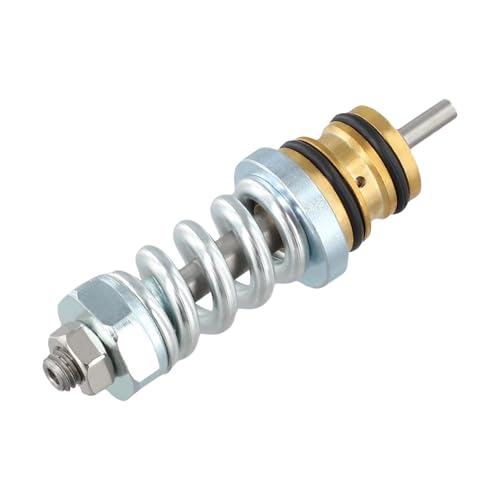
The unloader valve is the component that redirects water flow when you release the trigger, and it’s the single most likely cause for a machine that ran fine at the start of a job and got progressively worse the more you used it, especially if you’re pulling the trigger on and off repeatedly rather than spraying continuously. A worn or misadjusted unloader can cause pressure to spike, drop, or fail to build back up correctly after each trigger release. On some models the valve can be adjusted; on others, once it’s worn, replacement is the only real fix. A universal kit that matches your pump’s model number is a straightforward DIY replacement on most consumer and semi-professional units.
Keep Debris Out of the Pump in the First Place

A lot of the wear that eventually causes nozzle and seal problems starts with sediment and debris entering through the water inlet, especially if you’re drawing from an older spigot, a well, or a hose that’s been sitting outside. An inline sediment filter between the spigot and the pressure washer catches that debris before it reaches the pump, and it’s a cheap habit relative to the pump and seal repairs it helps you avoid.
For Gas Models Specifically
None of the above applies if your engine itself is losing power, since pump output on a gas unit is directly tied to how well the engine is running. A dirty air filter restricts airflow and drops engine RPM, which drops pump output right along with it. Low oil, a fouled spark plug, or old fuel gumming up the carburetor cause the same downstream effect. If pressure loss on a gas model comes with rough running, hesitation, or the engine sounding different than it did when you started, check the engine side before assuming it’s a pump or nozzle problem. Electric models skip this whole category of cause entirely, since there’s no combustion engine involved.
When It’s a Real Repair, Not a Quick Fix
Being honest about this matters more than most troubleshooting guides let on. A clogged nozzle, a loose fitting, or debris in an inlet filter are genuinely quick fixes, minutes, not an afternoon. Worn pump seals, a failed unloader valve, and a slipping drive belt on belt-driven units are real repairs. They’re often still worth doing on a mid-range or higher unit, parts for common pumps are inexpensive relative to a new machine. On an older budget unit that’s already had other problems, the math can flip: if the repair cost approaches a meaningful fraction of a new unit’s price, replacement is often the better call, especially if the unit has already logged years of hard use.
Frequently Asked Questions
Why does my pressure washer work fine for a few minutes then lose pressure?
This is one of the clearest signs of heat buildup from idling with the trigger released, or an unloader valve that’s starting to fail. Check how long the machine sits idle between trigger pulls first, since that’s the free fix, before assuming you need a part.
Can low water supply actually damage a pressure washer?
Yes, and this is worth taking seriously rather than just pushing through. Incoming water cools internal pump components as it flows through the machine. If supply is too low or interrupted, that cooling doesn’t happen, and running the pump under those conditions for an extended period can cause real heat damage that’s expensive to fix. Stop and check your water supply the moment you notice pressure dropping rather than continuing to run the machine.
How do I know if it’s the nozzle or the unloader valve?
A worn nozzle causes a gradual, steady decline in pressure over time, since the orifice is slowly eroding. An unloader valve problem tends to show up as pressure that spikes, drops, or won’t build back up correctly specifically after you release and re-pull the trigger, a pattern tied to trigger cycling rather than a steady fade. Swap the nozzle first since it’s the cheaper, faster check; if the pattern still tracks with trigger cycling afterward, look at the unloader valve next.
Is it worth repairing an old pressure washer or replacing it?
Depends on what’s actually broken and what the unit cost new. A nozzle, filter, or fitting is always worth fixing regardless of the machine’s age, they’re inexpensive. A pump rebuild or unloader valve replacement is usually still worth it on a mid-range or better unit. On an older budget-tier machine that’s already needed other repairs, compare the repair cost to a new unit’s price directly before committing, sometimes the math genuinely favors replacement.
Bottom Line
When the pressure loss happened tells you more than what it felt like. Never had pressure at all points to the nozzle or water supply first. Pressure that faded gradually over a job points to nozzle wear, a loosening fitting, or worn seals. Pressure that spikes or pulses, especially tied to releasing and re-pulling the trigger, points to air in the system or a failing unloader valve. Work through the free checks first, idle time and hose kinks cost nothing to rule out, before spending money on parts. If you’re shopping for a replacement unit rather than repairing what you’ve got, our guides to the best electric pressure washers and best pressure washers for concrete driveways cover what to look for.
If this started right after a freeze, improper winterization is worth checking directly – see our guide on how to winterize an electric pressure washer to prevent it next season.