

Have you ever felt that sinking feeling as a treasured plastic item snaps in your hands? Whether it’s a child’s action figure, a vital kitchen appliance, or a cracked car part, the frustration is universal. The challenge is that most common household glues fail on plastic. This is because many plastics have a slick, low-energy surface that actively resists adhesion, making repairs difficult.
This guide is here to help you get stuck the right way. We will explore the science behind why plastic is so tricky to bond, break down the main types of adhesives available, and review the best glues for any plastic repair job you might face. By matching the right adhesive chemistry to the specific plastic and application, you can turn a break into an unbreakable bond.
Quick Comparison Table of Top Picks
| Product | Best For | Type | Dry Time |
|---|---|---|---|
| Gorilla Super Glue Gel | Overall Use & Impact Resistance | Super Glue (Cyanoacrylate) | 10–45 seconds |
| J-B Weld Plastic Bonder | Heavy-Duty Structural Repairs | Epoxy | Sets in 15 minutes |
| Loctite Plastics Bonding System | Difficult Plastics (PE & PP) | Specialty Adhesive (CA + Primer) | Sets in seconds |
| Loctite Vinyl, Fabric & Plastic | Flexible Plastic & Vinyl | Flexible Adhesive | 24 hours to cure |
| Krazy Glue All Purpose | Quick, Budget-Friendly Fixes | Super Glue (Cyanoacrylate) | Sets in seconds |
| Gorilla Clear Epoxy | Invisible, Crystal-Clear Bonds | Epoxy | Sets in 5 minutes |
| 3M Scotch-Weld PR100 | Professional & Industrial Repairs | Cyanoacrylate (Industrial) | Handles in 20 seconds |
Why Plastic Is So Hard to Glue
The main reason plastic is so difficult to glue comes down to a property called surface energy. Plastics can be divided into two main categories based on this property:
- High Surface Energy (HSE) Plastics: Materials like ABS, acrylic, and polycarbonate are relatively easy to glue. Their surfaces allow adhesives to spread out and “wet” the material, which helps form a strong chemical bond.
- Low Surface Energy (LSE) Plastics: This group is the real challenge. It includes common materials like polyethylene (PE) and polypropylene (PP), as well as Teflon (PTFE). These plastics have non-stick, non-porous surfaces that resist bonding.
To successfully bond these tricky LSE plastics, you often need either a specialized adhesive designed to “bite” into the surface or a surface treatment like a primer to make the material more receptive to the glue.
The Main Types of Glues for Plastic
Choosing the right glue depends entirely on the type of plastic you’re working with and the kind of repair you need to make.
- Super Glue (Cyanoacrylate): Known for creating a fast, hard bond. Perfect for quick, small-scale repairs on rigid plastics like PVC and ABS. Standard formulas are often brittle.
- Epoxy: A two-part system (resin and hardener) that creates an incredibly strong, durable, and rigid bond. It is the best choice for structural repairs and for filling gaps.
- Plastic Weld / Solvent Cement: This adhesive chemically melts the surface of the plastic, fusing the pieces into one solid part. It is plastic-specific (e.g., for ABS or acrylic) and creates a permanent weld.
- Specialty Plastic Adhesives: For the toughest jobs—bonding low-energy plastics like PE and PP—you need a specialty system. These typically involve a primer to treat the surface, followed by a powerful adhesive.
The Best Glues for Plastic in 2026: Product Reviews
Best Overall (Super Glue Gel): Gorilla Super Glue Gel
Gorilla Super Glue Gel stands out because it solves many of the problems of traditional liquid super glues.
Why it wins: Its thicker, no-run gel formula gives you more control, which is especially useful for vertical applications. Crucially, it is formulated with rubber particles, which provide added impact resistance and flexibility, resulting in a bond that is far more durable than brittle standard super glues.
- Pros: The gel formula prevents drips, it offers enhanced impact resistance, and it’s versatile.
- Cons: Like other super glues, it is not the best choice for filling large gaps.
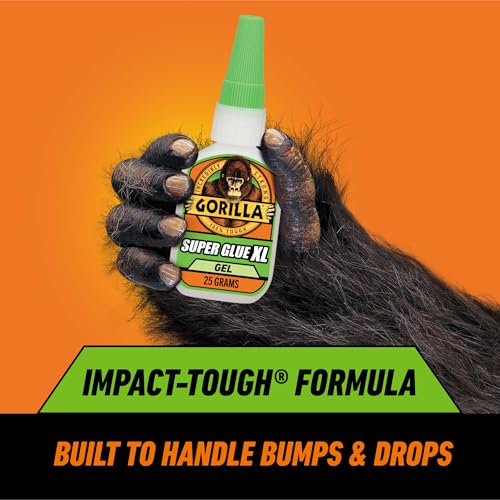
- Type: Cyanoacrylate super glue, gel formula
- Set Time: 10-45 seconds; full cure in 24 hours
- Size: 25g
- Notable Features: Rubber-toughened for impact resistance, anti-clog metal pin cap, dries crystal clear
Best for Heavy-Duty Repairs (Epoxy): J-B Weld Plastic Bonder
When a repair needs to be permanent and structural, a two-part epoxy like J-B Weld is a top choice.
Why it wins: J-B Weld’s Plastic Bonder is designed to create incredibly strong, permanent bonds that can fill cracks and gaps. Once cured, the bond is so tough it can be sanded, drilled, and painted, treating it like the original material.
- Pros: It offers tremendous bond strength, excels at filling gaps, and is sandable and paintable.
- Cons: It requires mixing and has a longer clamp and cure time measured in minutes and hours, not seconds.

- Type: Two-part epoxy (1:1 mix, syringe dispenser)
- Set Time: 5 minutes to set, 1 hour to cure
- Strength: 3,900 PSI tensile strength
- Surfaces: Metal, most plastics, PVC, wood, ceramic, tile, fiberglass, glass
Best for Difficult Plastics (PP & PE): Loctite Plastics Bonding System
This product is a game-changer for plastics that are notoriously resistant to glue.
Why it wins: This is a two-step system that revolutionizes how we bond difficult plastics. It comes with a primer that treats the surface of low-energy plastics like polyethylene (PE) and polypropylene (PP). After applying the primer, the included super glue can form a powerful, quick bond that would otherwise be impossible.
- Pros: It works on virtually all plastics, acts fast, and has a precision nozzle.
- Cons: The two-step application process is slightly more work, and it is not a gap-filling adhesive.
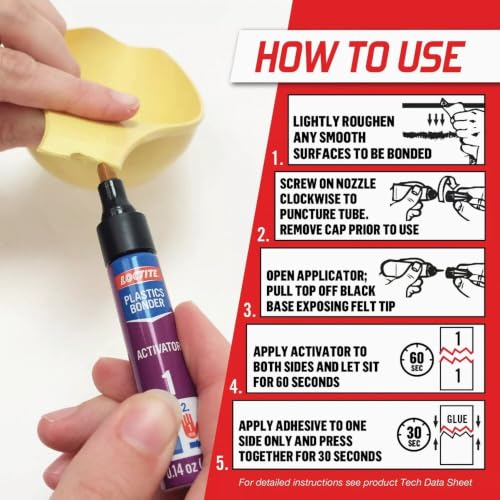
- Type: Two-part system – cyanoacrylate glue plus primer/activator
- Set Time: Seconds, no clamping or mixing required
- Bonds: Polyethylene (PE), polypropylene (PP), PTFE, and most other plastics
- Notable Features: Dries clear, weatherproof and freeze-resistant
Best for Flexible Plastic: Loctite Vinyl, Fabric & Plastic Flexible Adhesive
Rigid bonds aren’t always what you need. For items that need to bend and flex, this adhesive is the perfect solution.
Why it wins: It is specifically designed to create a bond that remains flexible after it dries. This makes it ideal for repairing items like vinyl upholstery, inflatables, and other flexible plastic products that need to move without cracking the repair.
- Pros: It dries clear, stays flexible, and is waterproof.
- Cons: It doesn’t provide the same structural strength as an epoxy, so it’s not suited for rigid, load-bearing repairs.
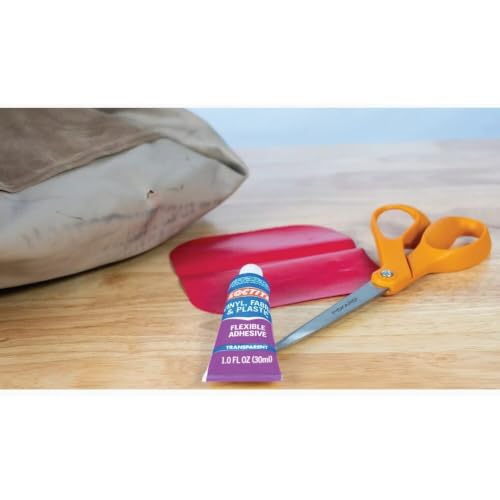
- Type: Flexible liquid adhesive
- Set Time: 10 minutes to set, 24 hours to fully cure
- Best For: Vinyl, fabric, and flexible plastic repairs (seats, cushions, tarps, outdoor gear)
- Notable Features: Dries clear and stays flexible, won’t yellow or go brittle, waterproof
Best Budget Option: Krazy Glue All Purpose
For quick, simple fixes around the house, this classic adhesive is a reliable and affordable choice.
Why it wins: It’s a household name for a reason. For small repairs on common, easy-to-glue plastics (but not PE or PP), it is fast, inexpensive, and effective.
- Pros: It’s very affordable, widely available, and bonds in seconds.
- Cons: The bond is brittle, offering little to no impact resistance, and it doesn’t work on all types of plastic.
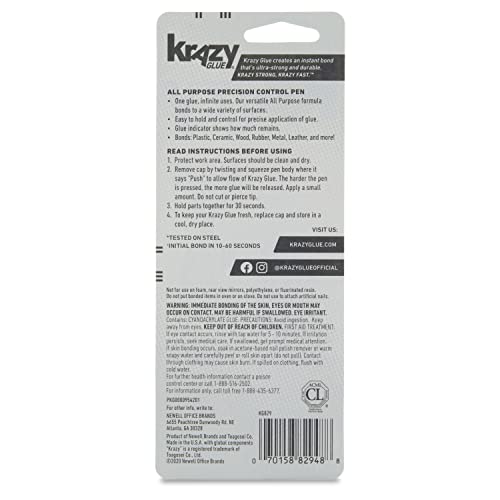
- Type: Cyanoacrylate super glue, precision pen applicator
- Set Time: ~10 seconds
- Size: 4g
- Notable Features: One-drop applicator, leak-proof cap with built-in glue level indicator
Best for Clear, Invisible Bonds: Gorilla Clear Epoxy
When aesthetics matter as much as strength — think clear acrylic, glass-framed plastics, or transparent repairs — Gorilla Clear Epoxy is the standout choice.
Why it wins: This two-part syringe epoxy dispenses equal amounts of resin and hardener in one press, making mixing almost foolproof. It sets in just 5 minutes and dries to a genuinely crystal-clear finish that keeps repairs virtually invisible. The gap-filling formula works on most plastics, glass, metal, wood, and ceramic, making it one of the most versatile options on this list.
- Pros: Dries completely clear, easy-to-use syringe applicator with reusable cap, gap-filling, water and solvent resistant.
- Cons: Not suitable for polyethylene (PE) or polypropylene (PP) plastics. Requires careful 50/50 mixing to cure properly; an uneven ratio can prevent full hardening.
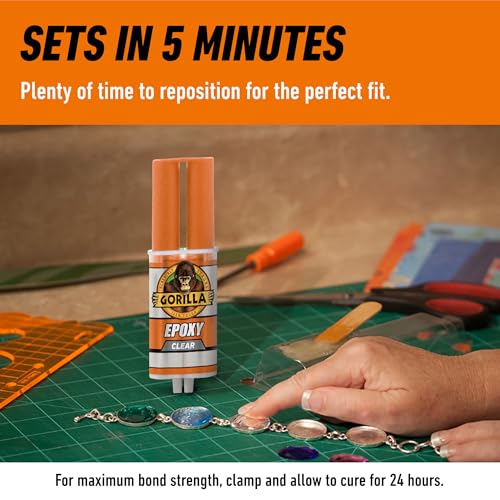
- Type: Two-part epoxy, dual-barrel syringe (equal resin/hardener dispense)
- Set Time: 5 minutes
- Size: 0.85 oz syringe
- Notable Features: Dries crystal clear, gap-filling, water resistant, reusable syringe cap
Best Professional-Grade Option: 3M Scotch-Weld Plastic & Rubber Instant Adhesive PR100
For those tackling demanding repairs — from automotive plastics to industrial components — this adhesive operates at a different level entirely.
Why it wins: The 3M Scotch-Weld PR100 is a professional-grade cyanoacrylate engineered specifically for difficult-to-bond substrates, including polypropylene (PP), polyethylene (PE), EPDM rubber, nylon, and ABS. It reaches handling strength in under 20 seconds and achieves an overlap shear strength exceeding 2,000 psi once fully cured — a level of performance that most household super glues cannot match. The flexible squeeze bottle allows for two application methods: pinch the container for a precise single drop, or squeeze for a steady bead across a longer joint. It even holds a Guinness World Record, as a related 3M instant adhesive famously lifted an 8.1-metric-ton forklift in 2012.
- Pros: Exceptional bond strength on a wide range of plastics and rubbers, fast 20-second handling time, precise or bead application, suitable for industrial and professional use.
- Cons: Priced higher than consumer adhesives and primarily intended for professional or industrial applications. Still requires a primer for optimal bonding on PE and PP.
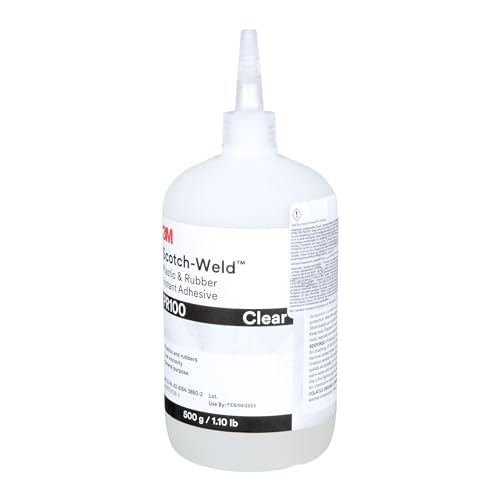
- Type: Industrial-grade cyanoacrylate, squeeze bottle applicator
- Set Time: Handling strength in under 20 seconds
- Strength: Overlap shear strength exceeding 2,000 PSI once cured
- Bonds: Polypropylene (PP), polyethylene (PE), EPDM rubber, nylon, ABS
Pro Tips for Gluing Plastic Successfully
To ensure the strongest possible bond, preparation is key. Following these steps will dramatically improve your results:
- Clean the Surface: Use isopropyl alcohol or soap and water to thoroughly clean the plastic surfaces. This removes any dirt, oils, or grease that can prevent the glue from adhering properly.
- Roughen the Surface: For smooth plastics, lightly sanding the bonding area with fine-grit sandpaper (120–200 grit) makes a huge difference. This creates a rougher texture that the glue can “grip.”
- Ensure a Snug Fit: Before applying any glue, make sure the broken pieces fit together perfectly.
- Use Clamps: Applying firm, consistent pressure while the adhesive cures is crucial for achieving maximum bond strength. Clamp the pieces together and leave them undisturbed for the full recommended curing time.
- Ventilate Your Workspace: Many adhesives release strong fumes, so it’s important to work in a well-ventilated area.
Frequently Asked Questions (FAQs)
- Q. What is the strongest type of glue for plastic?
A. For structural repairs requiring maximum strength, a two-part epoxy is generally the strongest consumer option. For professional-grade applications, industrial cyanoacrylates like the 3M Scotch-Weld PR100 can achieve overlap shear strengths above 2,000 psi. Both create incredibly rigid, high-strength bonds that are also great for filling gaps. - Q. Can I use hot glue on plastic?
A. Hot glue can be used for temporary, non-structural bonds, but it will peel off most plastics quite easily and should not be relied upon for a durable repair. - Q. Does Gorilla Glue work on all plastics?
A. While many Gorilla Glue products are effective on plastic, the original polyurethane formula is not recommended for use on polypropylene (PP) or polyethylene (PE) plastics. Specific products, like Gorilla Super Glue Gel and Gorilla Clear Epoxy, are more effective on a wider range of plastics — though even these should be avoided on PE and PP. - Q. How do I remove super glue from plastic or my hands?
A. For plastic, carefully use acetone (nail polish remover), but test it on a hidden area first, as it can damage some plastics. For hands, soak the area in warm, soapy water to slowly dissolve the bond, or use acetone and wash thoroughly afterward. - Q. What is the best glue for clear or transparent plastic repairs?
A. Gorilla Clear Epoxy is the top choice when appearance matters. It cures to a crystal-clear finish, making it ideal for acrylic, clear PVC, and any repair where visible glue lines would be unsightly.
Final Thoughts
The key takeaway is that there is no single “best” glue for all plastics. Success lies in matching the adhesive to the specific type of plastic and the demands of the repair. For general household use, Gorilla Super Glue Gel offers a great balance of speed and durability. For heavy-duty repairs, an epoxy like J-B Weld Plastic Bonder is unbeatable. For those frustratingly slick plastics, the Loctite Plastics Bonding System is the specialized tool that gets the job done. When a crystal-clear finish is a priority, Gorilla Clear Epoxy delivers invisible results. And for professional or industrial-level jobs, the 3M Scotch-Weld PR100 sets the standard for raw bonding power. With the right adhesive and proper preparation, your next plastic repair can be stronger than the original material.


1 thought on “The Best Glue for Plastic: Top Picks for Every Repair”